
When Afghanistan was struck by deadly earthquakes in August, supporters like you responded swiftly with generous donations, and we were so encouraged by the response.
Through our Partners, you’re helping provide 2,000 families in rural regions with essentials such as hygiene kits, cookware, temporary shelters and blankets.
These items are going to those who’ve lost loved ones; sustained serious injuries; whose homes have been damaged beyond repair; who lost all their possessions and have no other means to survive.
Thank you for supporting our Partners’ work as they assist families impacted by this crisis.
Since the Taliban came into power for a second time in 2021, providing humanitarian aid has been a difficult and complex task, with numerous challenges for our Partner and other agencies in the region.
Why Is Providing Aid So Difficult In Afghanistan?
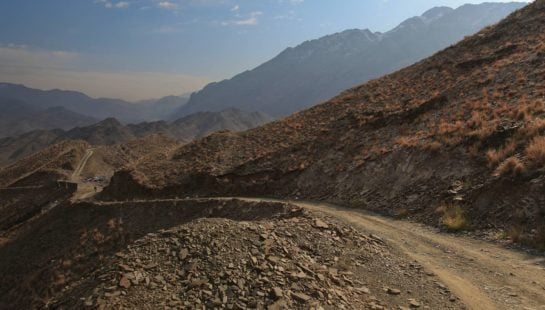
Afghanistan is highly prone to events like earthquakes, and the country’s mountainous terrain leaves communities susceptible to landslides and isolation. When an earthquake strikes, blocked roads and damaged infrastructure make it difficult for people to access aid.
There’s Also The Problem of Poverty
Today, under Taliban rule, nearly half the population of Afghanistan—about 22.9 million people—rely on aid to survive. Even before the earthquakes, years of conflict, frequent disaster and economic collapse had driven families into extreme poverty, and the situation worsened after the withdrawal of US foreign aid.
When the earthquakes struck there was catastrophic loss to public infrastructure, people had little access to resources, and agencies were already stretched thin to provide support.
Women And Girls Are Most Vulnerable
When the earthquakes struck communities in Afghanistan, women and girls were amongst the most vulnerable due to the restrictions they face under the Taliban regime.
Here’s how:
- Women and girls in Afghanistan have been deprived of employment and education, making them more susceptible to poverty, financial destitution, early marriage and poor health outcomes. This impacts their ability to recover after a disaster occurs.
- Women are unable to move freely under the Taliban regime, which hindered their ability to seek assistance and meet their needs after the earthquakes.
- Along with educational restrictions for girls, women in Afghanistan have been banned from attending classes at private medical institutions, which was the only remaining path to train in medicine, nursing and midwifery. This has severely limited the number of women who have been able to provide healthcare services after the earthquakes.
- The Taliban have banned female aid workers, making it hard for agencies to provide aid to women and girls. Agencies need female staff on the ground, if they are to provide adequate gender-sensitive support to communities.
Please Continue To Pray
Thank you for supporting our Partner’s incredible work in Afghanistan, amid the challenges they face.
While the situation remains grim, we trust that God will continue to enable good work to happen, through the love and care of his people. Please pray that:
- Our Partners would be able to provide much-needed aid to families despite a challenging environment
- Vulnerable people—including women, children, people with disabilities and the elderly—would be protected from harm
- Families would be able to rebuild their lives and recover their livelihoods in the wake of these earthquakes
If you would like to give again to help families around the world prepare and recover from disasters, you can do so here.

 Kelsea Clingeleffer,
 Sophia Russell,
