…When The Spotlight Fades
What happens when the media stops paying attention to a disaster?
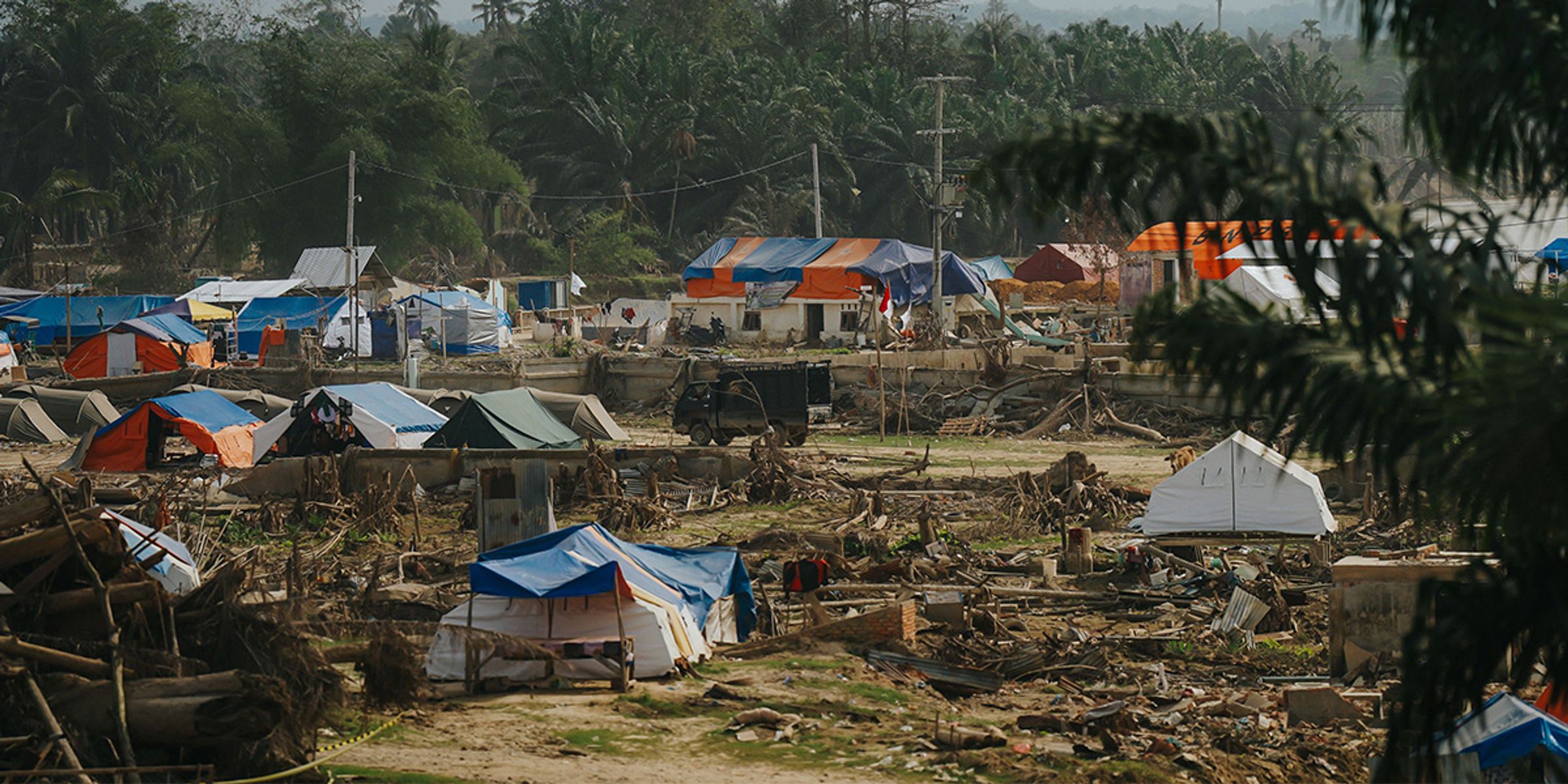
With so much happening around the world, our news feeds can be crowded with news of violent conflicts, floods, earthquakes and famine. But what happens when the media stops paying attention to a disaster?
When missiles first hit Ukraine in the early hours of February 24, 2022, it wasn’t long until screens around the world started buzzing, monopolised by images of an escalating war.
Donations poured in as people rushed to help communities shattered by air raids and artillery barrages. But the spotlight didn’t last. The media moved on to the next story, and once the war passed the one-year mark, donations dwindled.
Allan Bussard, director of our Partner in the region, said the biggest challenge is the sharp decline in financial support for a humanitarian response in Ukraine, complicated by the USAID funding pause.
‘The uncertainty of the future makes planning very challenging and yet people are asking for more help now to rebuild their lives and livelihoods, practically living out hope for the future,’ he said.
A Collaborative Effort
When media coverage fades after a flood, earthquake, or the initial shock of war, it’s easy to forget about the devastated communities left picking up the pieces. That’s why Kelsea Clingeleffer, Baptist World Aid’s International Programs Coordinator, believes providing support isn’t a one-off response.
‘Disaster Management is an entire spectrum —from helping people prepare, to providing emergency relief and supporting recovery,’ said Kelsea.
And it’s a collaborative effort between impacted communities, governments, churches, organisations, and donors. ‘Being part of the body of Christ means we work together to help our neighbours, whether they’re facing a major disaster or a minor one that doesn’t even make the news,’ Kelsea added.
How Do Communities Recover From Disaster?
This work starts well before a disaster occurs. Living on a fault line or flood plain isn’t the only factor that makes someone vulnerable to disaster. A community’s social and economic situation can also determine its chances of survival.
‘Our Partner’s disaster preparation work is closely tied with helping communities tackle problems like poverty, child malnutrition, and lack of women’s rights,’ Kelsea said. ‘If parents are earning an income and families have enough to eat, when disaster comes, they’ll be in a better position to recover.’
Addressing specific disaster risks is also vital, even though this kind of work doesn’t often grab the media’s attention. According to the National Institute of Building Sciences, estimates suggest that $1 invested in helping families prepare for disaster saves up to $15 in response and recovery after disaster hits.
Last year, our Partners helped 519 communities develop disaster risk reduction plans, with measures ranging from stabilising flood-prone riverbanks, to creating evacuation procedures. In Kenya, for example, our Partner has long been helping farmers switch to drought-resistant varieties of green grams that require around 20 per cent less water than usual crops to thrive. As the region faces severe drought, those farmers are still able to harvest.
What Happens After A Disaster?
Every second counts after a disaster strikes, but providing immediate aid is no small task if you’re crossing oceans, entering conflict zones, or don’t yet know what people need.
Our local Christian Partners are often best placed to offer emergency relief. With networks in impacted communities, they can quickly reach people and ascertain their needs.
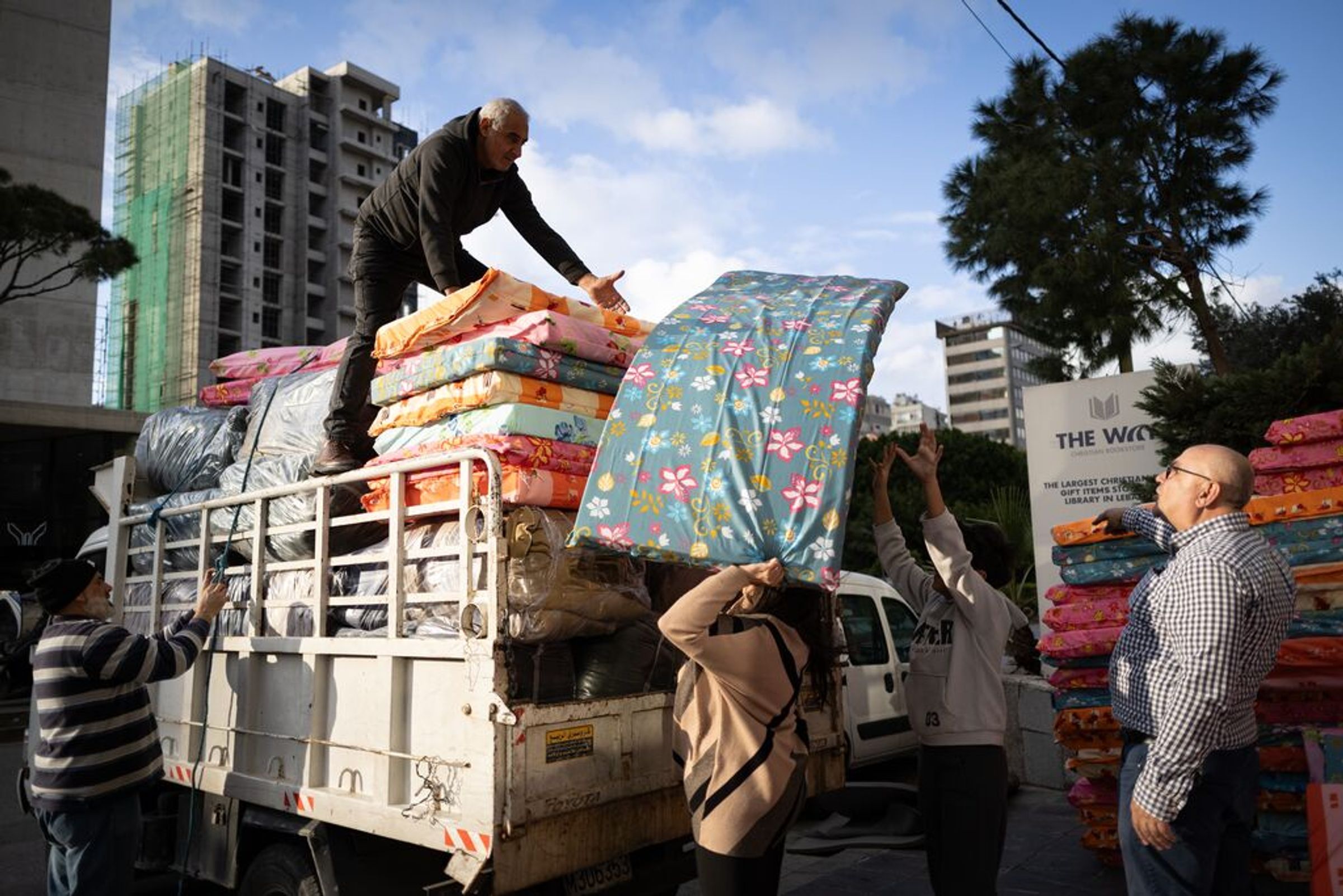
When war erupted throughout the Middle East in early March 2026, around one million civilians in Lebanon were forced to evacuate their homes in search of safety. To help families cope with this crisis, our Partner responded quickly (with help from our supporters) to provide essentials such as food and mattresses.
‘We cannot replace what has been lost,’ our Partner said, ‘but we can help preserve dignity, care and community because even in war, compassion must remain stronger.’
What Does Long-term Disaster Recovery Look Like?
This work doesn’t cease, even when the media’s spotlight fades. After a disaster, recovery is a process that can take years—especially when a disaster impacts an area already in a state of crisis, such as an earthquake in a conflict zone.
Once people can meet their basic needs, emergency relief transitions into building a new normal: replacing tents with homes, re-opening schools, restoring financial security, healing from trauma. Assistance is provided in consultation with community members, who determine what support is helpful to them.
This is the situation many families from Ukraine are currently in. Since the war began, an estimated 3.8 million people are still displaced in the country.
As the war continues, their needs have shifted from emergency relief to long-term support—and our Partners, along with Baptist Unions in Eastern Europe, are providing help.
It’s a story of resilience that continues, long after the spotlight fades.
Last year disasters impacted over 185 million people. Partner with us to send help to families caught in disaster.
Your Next Read
 Ethical Fashion
When a Top Costs Less Than a Coffee: The Hidden Human Cost of Ultra-Fast Fashion
The global fashion industry has always been linked to low wages and unsafe conditions, but ultra-fast fashion takes this exploitation to a new level.
 News
NewsA Safer World For All
We’re proud to join with Micah and a coalition of Australian aid and development organisations to launch the Safer World For All Campaign.
 Ethical Fashion
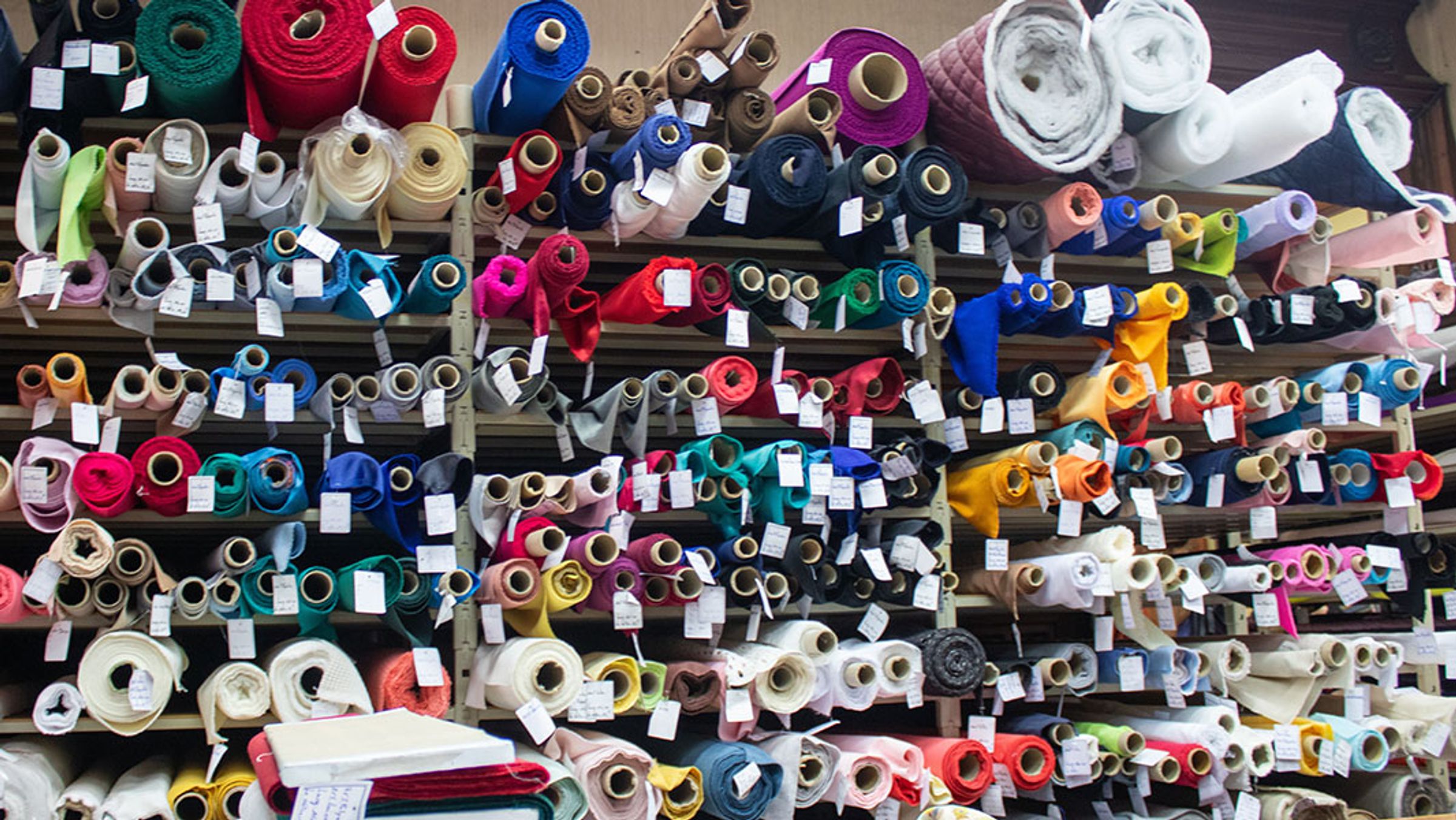
How Can Fast Fashion Rank At The Top?
The answer is more complex than you think. Unpack how fast fashion brands are scored and why some rank higher than you expect.