Disability Shouldn’t Mean Exclusion
Meet the grandmother who refused to let exclusion win.
A Precious Gift
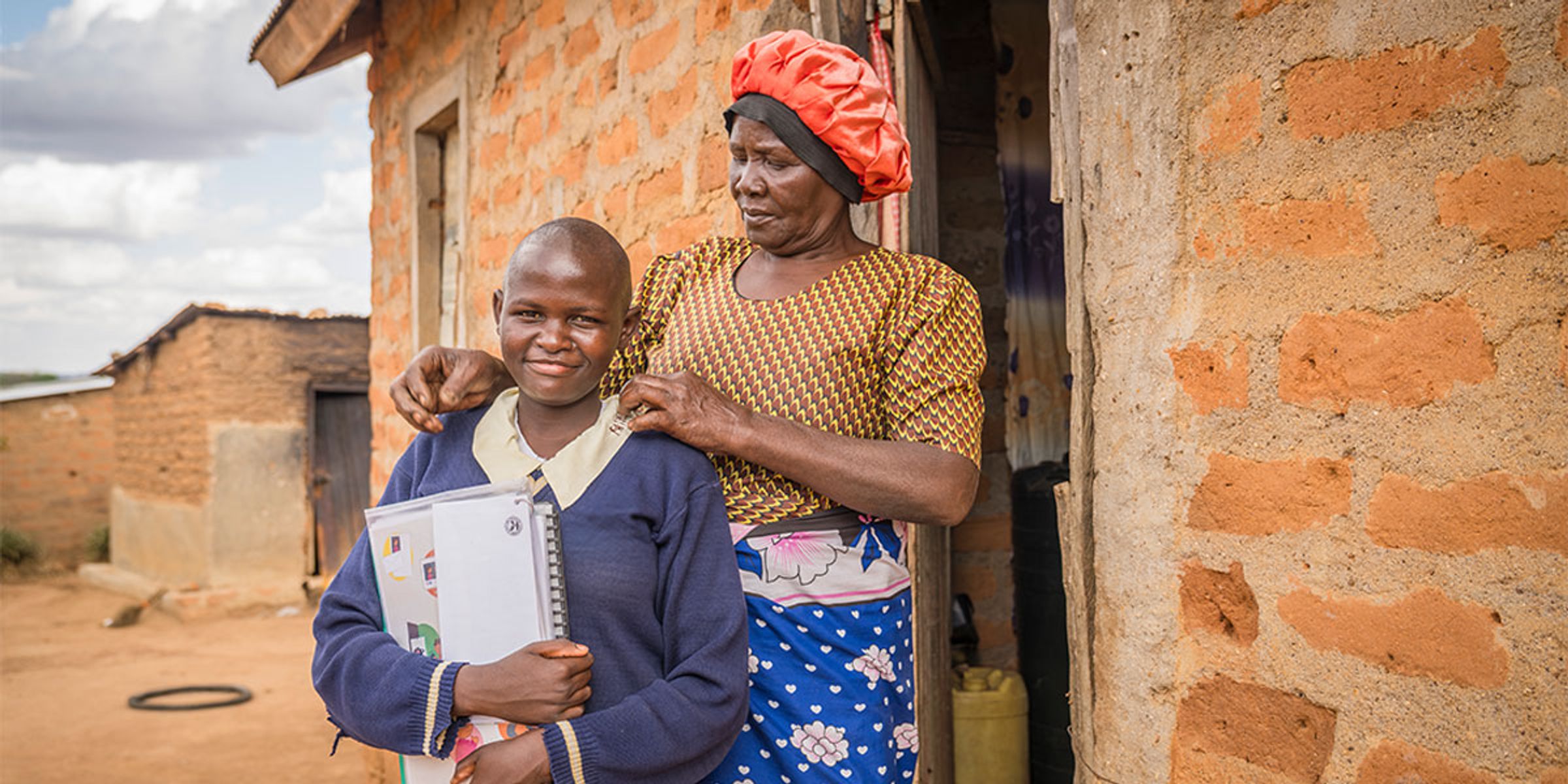
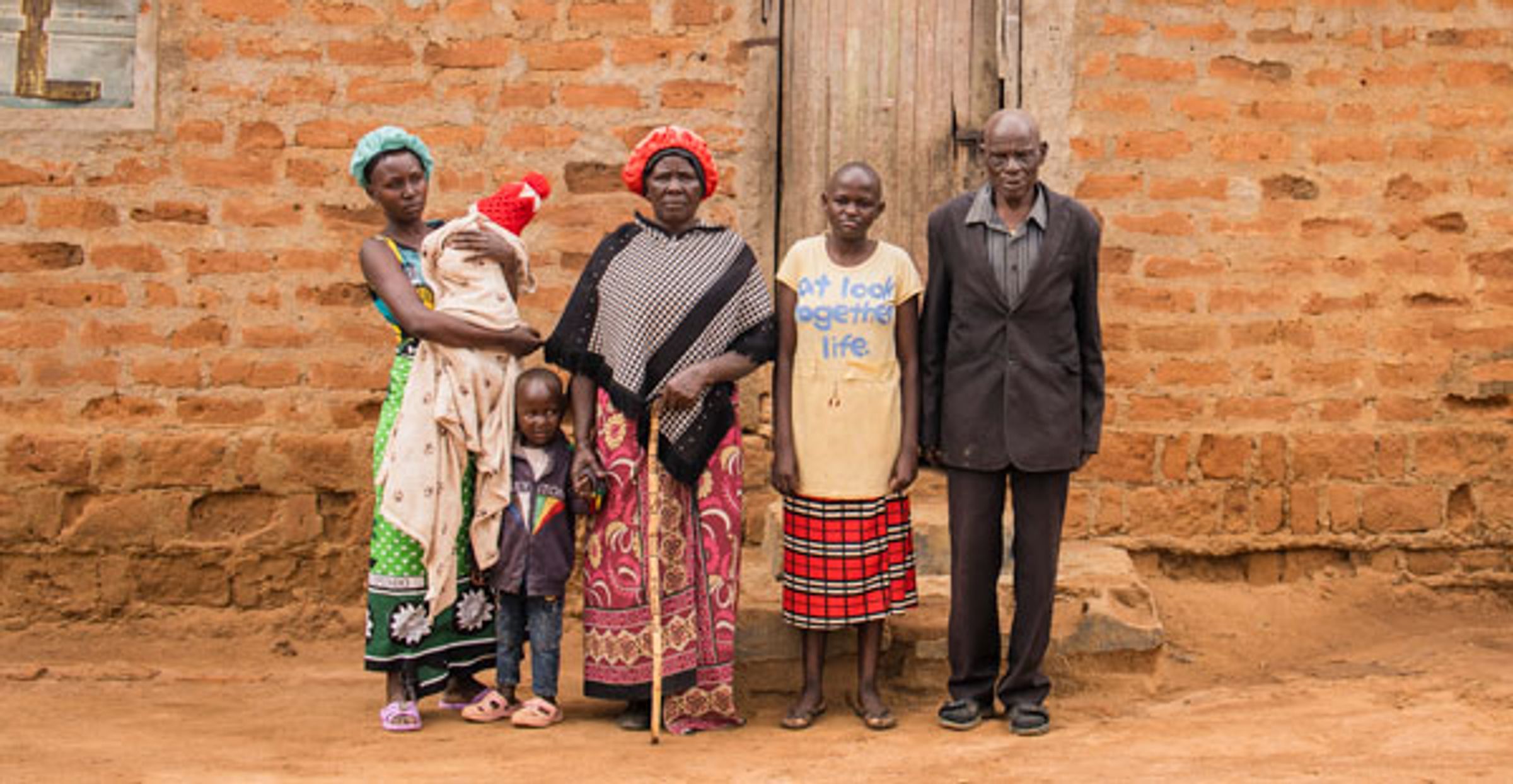
When Imani was born in rural Kenya, her family rejoiced at God’s gift of a new baby girl. But soon, her grandmother Regina noticed that something was different with this little one.
‘I realised the child did not respond to voices. She didn't hear,’ said Regina. ‘Ever since, I have been taking care of Imani who has hearing and speaking problems.’
Imani’s mother was already stretched beyond her limits working to provide for herself and her other children, making it impossible for her to give Imani the attention she needed.
Regina was also struggling financially. With her own farm not producing enough to feed everyone—just two bags of maize each harvest—she was working for her neighbours, weeding, and collecting water just to make ends meet.
But Regina loved Imani and was determined to do whatever she could to help her live life to the full, so she became her granddaughter’s devoted carer.
When Poverty and Disability Collide
There are more than one billion people around the world living with disabilities, and according to the World Bank Group (opens in a new tab), they are more likely to experience lower education, poorer health, lower employment, and higher rates of poverty.
And it works both ways—poverty can also increase the risk of disability-and exacerbate its impact on everyday life.
But for Imani, there are even more factors at play.
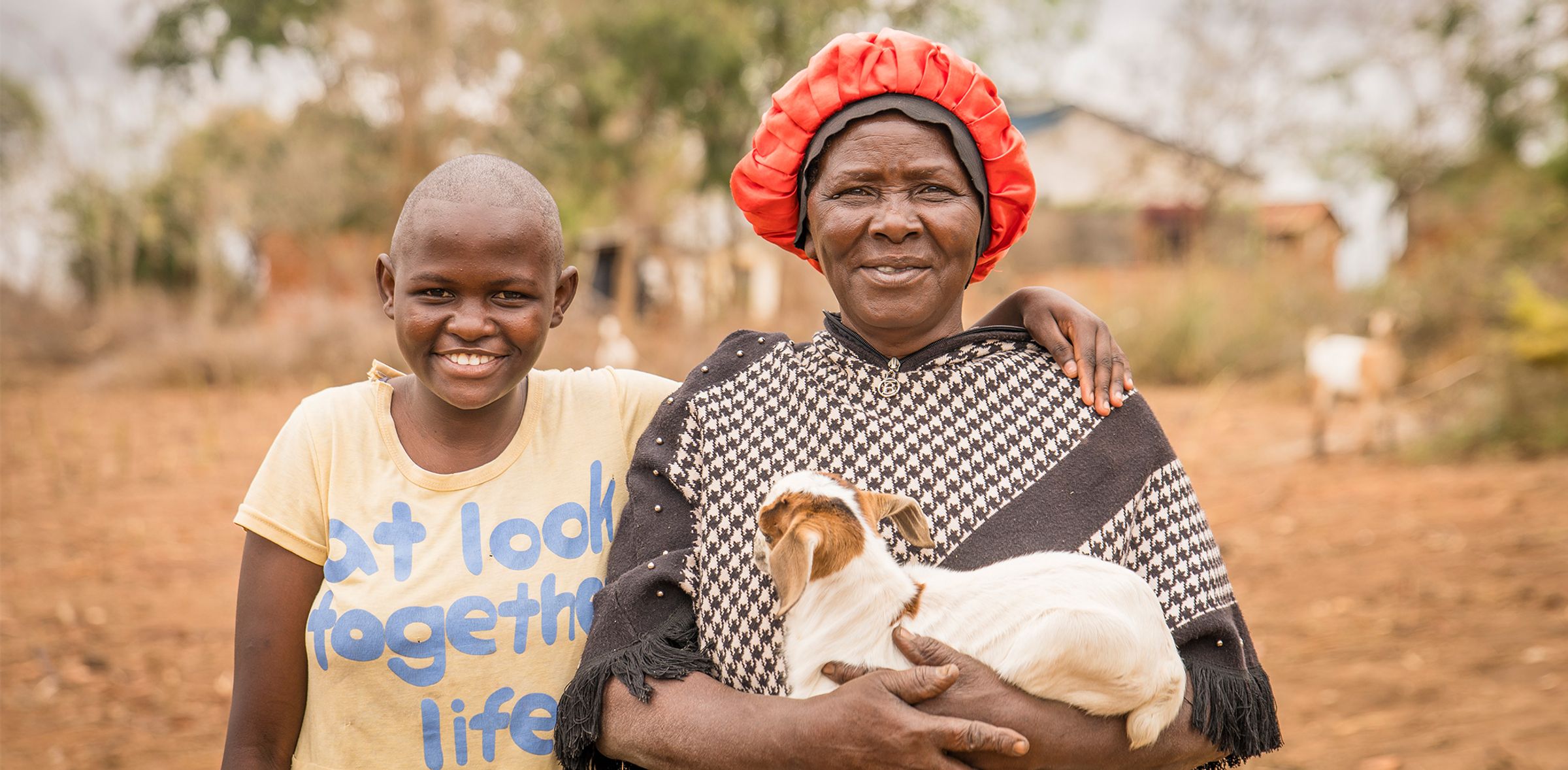
Being born female with a disability in rural Kenya, and within a family experiencing poverty, put Imani's experience at the intersection of several disadvantages. More than 80 percent of Kenyans with disabilities live in rural areas, and more than half are women.
When these disadvantages combine, inequity becomes overwhelming for the individual, the family, and the community, as poverty means there aren’t the resources available to create an inclusive society.
A Life of Exclusion for Imani
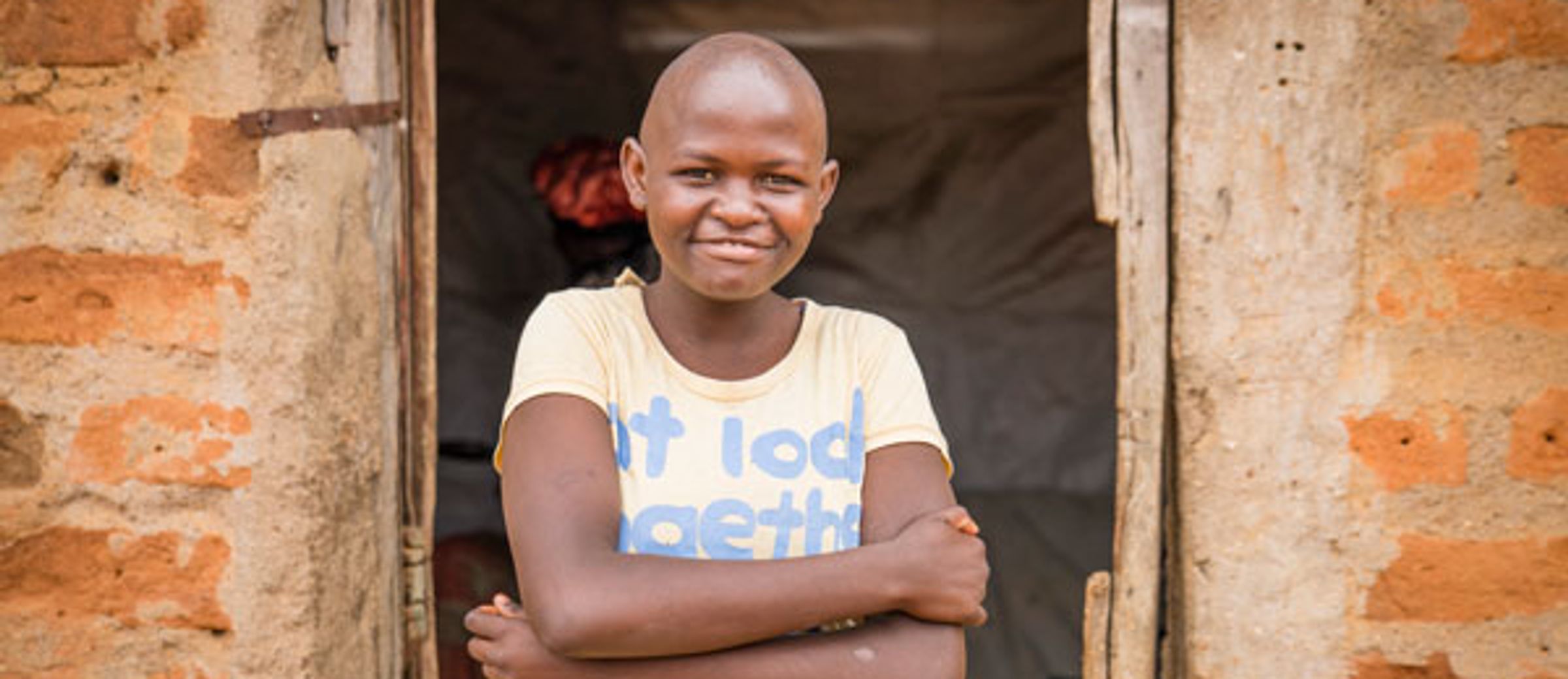
For Imani, this meant living without friendship or education, as her grandparents couldn’t afford to send her to a suitable school. She couldn’t read or write and her future prospects seemed bleak.
Regina worried about Imani all the time.
Sadly, a lack of awareness in some communities leads to people with disabilities being regarded as lower in value than others. For Imani, this made moving around freely in her community much more dangerous, especially because she can’t easily communicate.
‘I used to walk with her everywhere because I feared the boys in the village may end up defiling her, getting her pregnant, increasing the challenges that we have as a family,’ said Regina.
This is the reason Baptist World Aid Australia’s programs have a focus on Gender Equality, Disability and Social Inclusion (GEDSI) embedded throughout our projects.
It’s a framework that both equips individuals and educates the community on matters regarding discrimination, so that the whole community can grow in their knowledge and form inclusive attitudes. That way, communities become places where each person is valued and everyone can participate safely.
How Our Partners Are Bringing Change
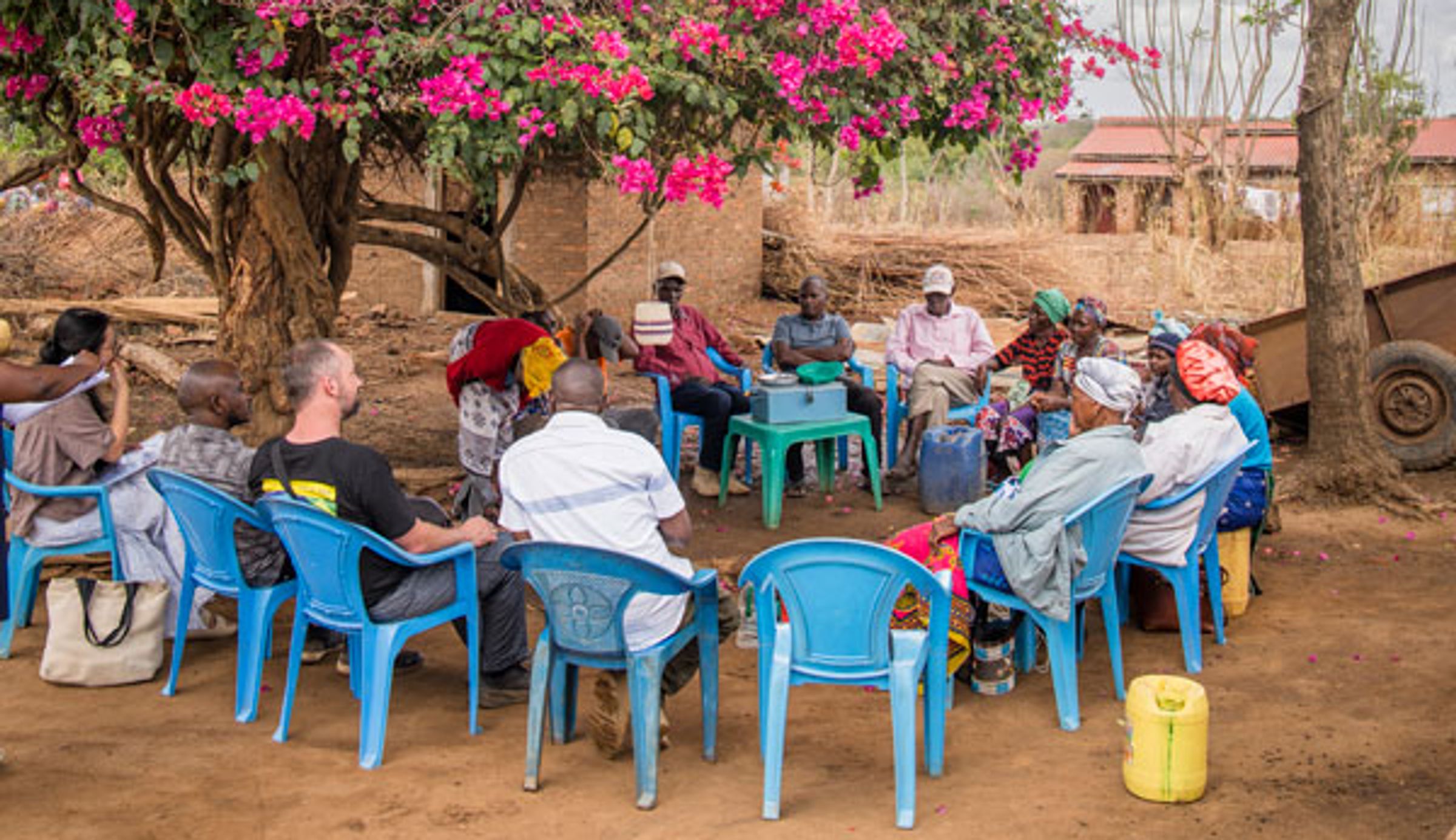
As part of the program, Regina also joined a Self Help Group, a support group with a disability focus.
These groups are a feature of many of our community development programs around the world and are incredibly effective as learning cohorts, savings and loans collectives, and in promoting supportive peer relationships.
In Regina’s group, each of the members is a carer for someone who lives with a disability, so they’re also receiving training in how to care and advocate for their loved ones. With her new learning, Regina successfully advocated for a disability assessor to visit her village. This resulted in many people with disabilities in Regina’s community receiving better care, and accessing vital government support.
Attitudes across the whole community are also changing.
‘Previously, other children rejected Imani, but now she plays with them,’ said Regina. ‘She's able to give them a smile and they play comfortably with her without any fear.’
Peace in Regina’s Family
Home life’s also much better for Regina and Imani since our local Christian Partner started working with them and their community.
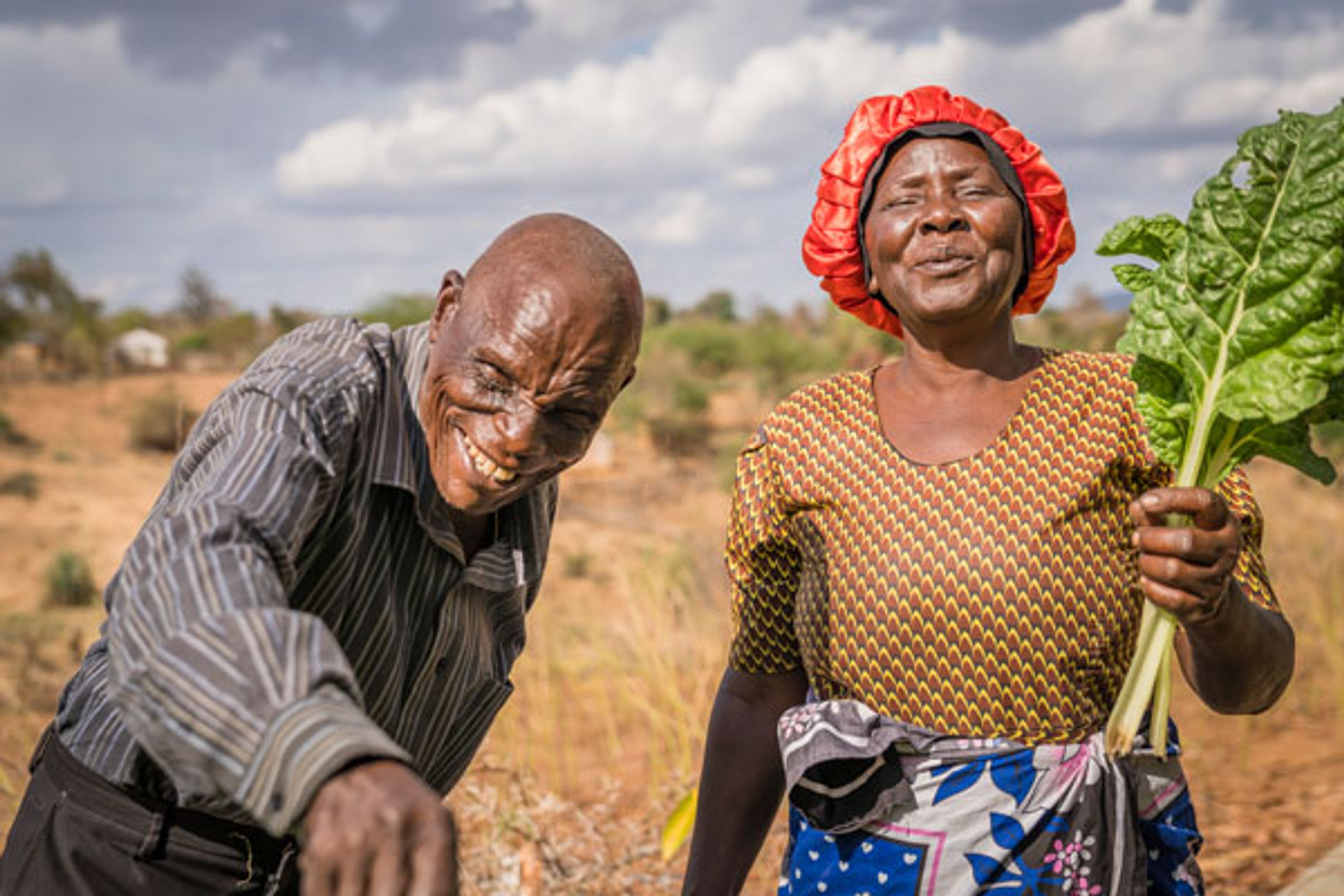
‘They trained us on proper planting methods, and increasing soil fertility and this has increased agricultural production. In addition, they trained us on how to establish vegetables,’ said Regina. ‘I’m no longer relying on buying food from the market, or borrowing from neighbours.’
In fact, Regina’s maize production increased from two bags each harvest to 18 bags! This has allowed Regina to invest in poultry, goats and a cow. The family no longer live under constant financial stress, which has positively impacted their wellbeing and relationships.
‘Family conflicts were so frequent. I used to worry that my husband would spend the little money that we had for the family,’ said Regina. ‘Now, as we have food and we have our own assets, poultry and goats, are very joyful as a family. I affirm that the love bond has returned and increased!’
Great Joy at Imani’s Progress
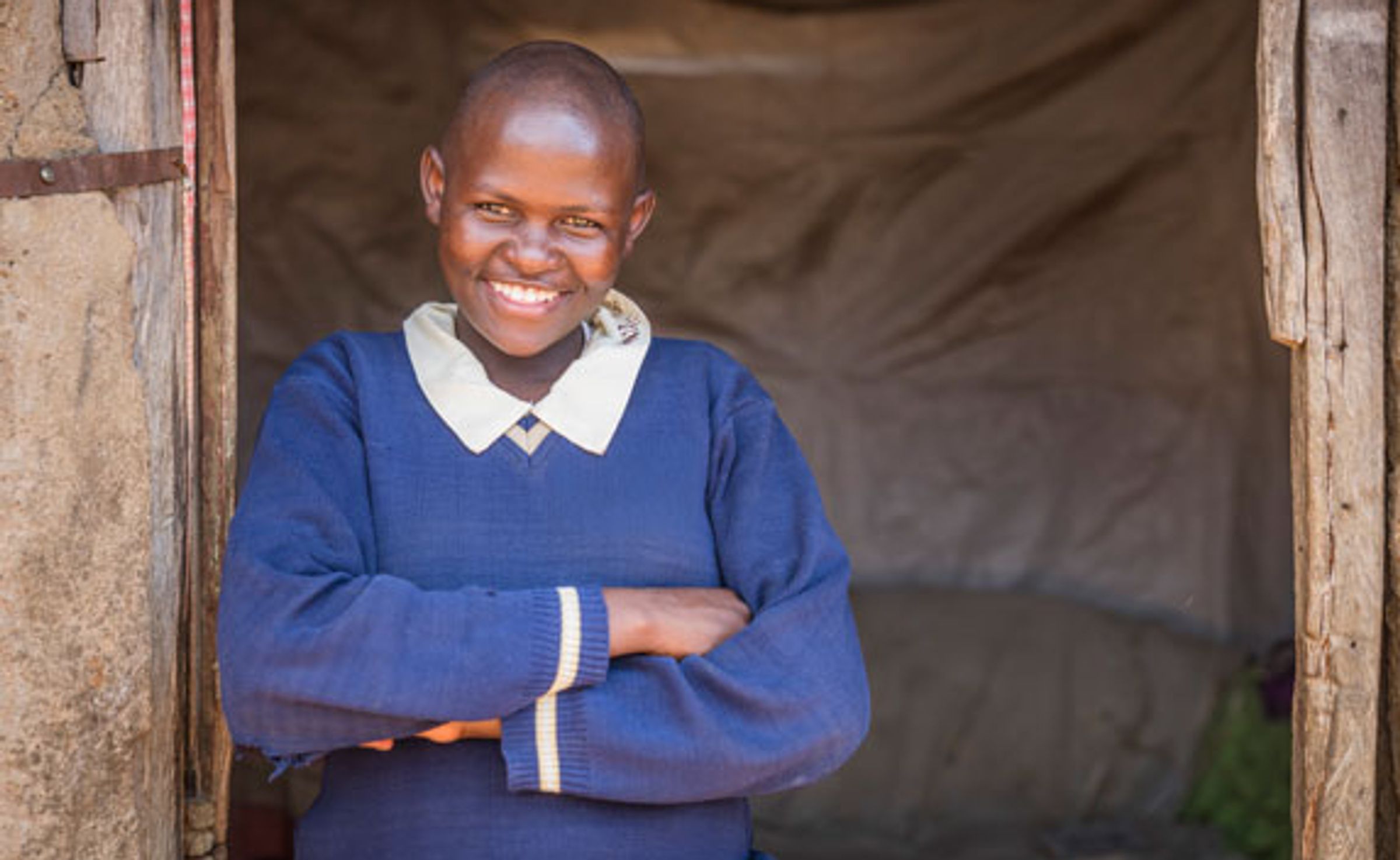
Regina is most excited about the changes she’s seeing in Imani. While not a part of their programs, our local Partner connected the family with a scholarship opportunity that allowed Imani to study at a school for deaf children.
‘My greatest joy is seeing Imani attending school. I did not have any plans for the future, but now I'm so happy because I'm sure our future is bright,’ said Regina. ‘I’m grateful to you who supported the program and praying that God will keep on helping you.’
Your Next Read
 Ethical Fashion
From Standouts to Strugglers: What the 2026 Ethical Fashion Guide Reveals
Every piece of clothing has a story beyond the label. Explore what the latest Ethical Fashion Guide reveals on over 500 brands.
 Ethical Fashion
When a Top Costs Less Than a Coffee: The Hidden Human Cost of Ultra-Fast Fashion
The global fashion industry has always been linked to low wages and unsafe conditions, but ultra-fast fashion takes this exploitation to a new level.
 News
A Safer World For All
We’re proud to join with Micah and a coalition of Australian aid and development organisations to launch the Safer World For All Campaign.