Where We Work
We serve people hit hardest by poverty and injustice, from all over the world.



Global Neighbours
Baptist World Aid has long-term projects with Christian Partners in 18
countries and engages in advocacy efforts in Australia. Through best-practice community development programs, we serve those hit hardest by poverty and injustice.
We also respond to international crises such as conflict, displacement, famine and disasters, so communities can survive, recover and rebuild. This includes helping families prepare for events such as flooding and earthquakes, to increase their resilience.
Our Regions
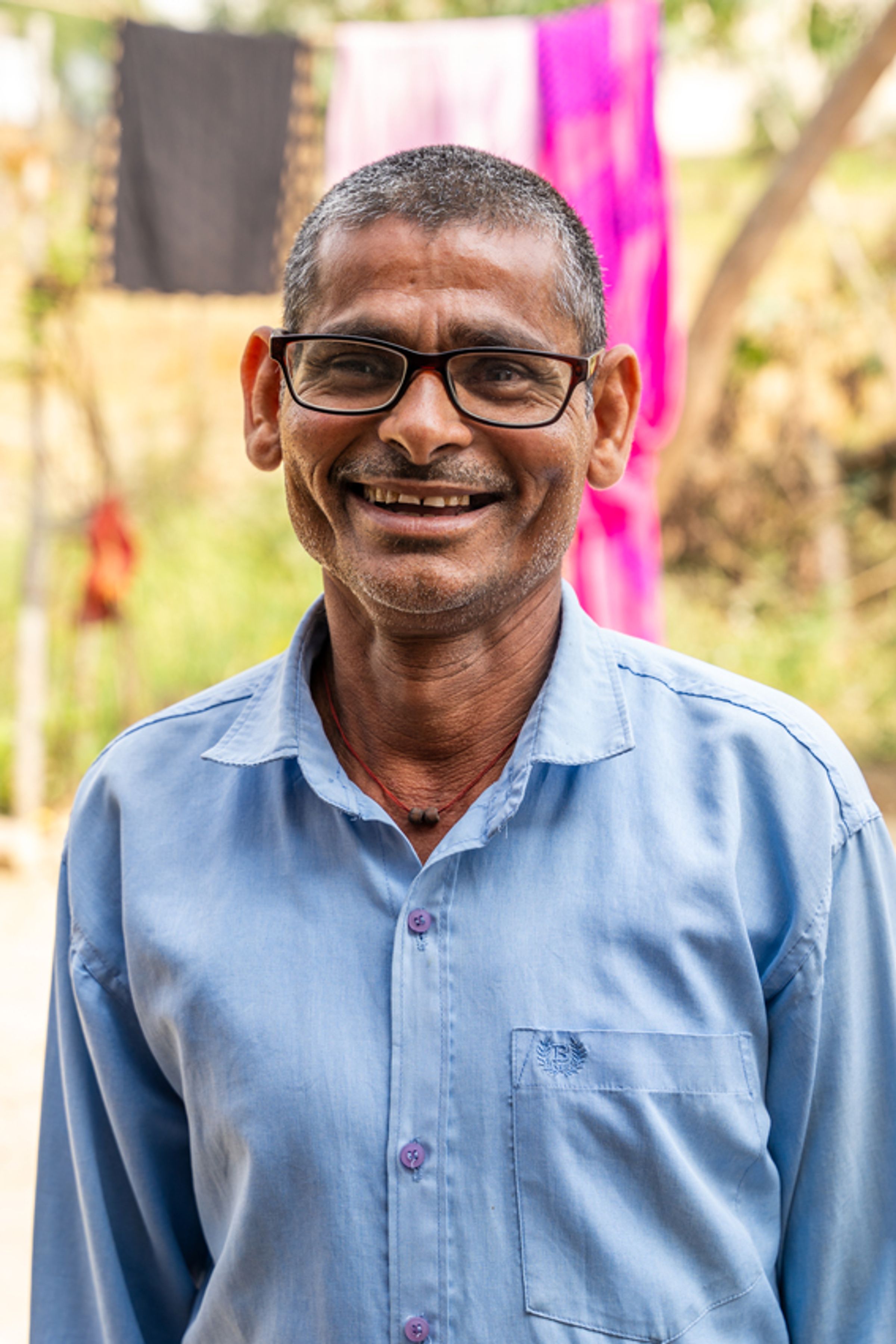
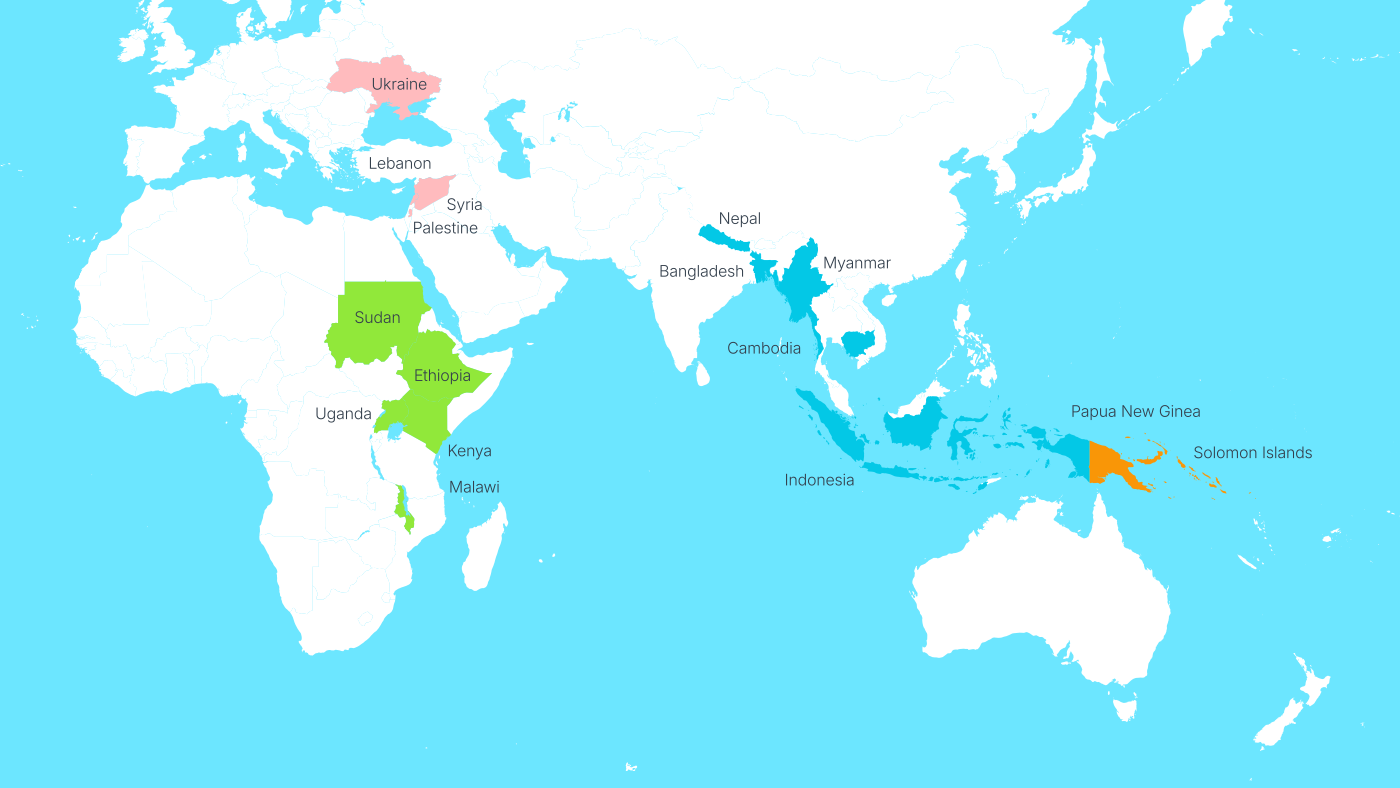
Our Partners work in Nepal, Bangladesh, Cambodia, and Indonesia, and are responding to crises in Myanmar.
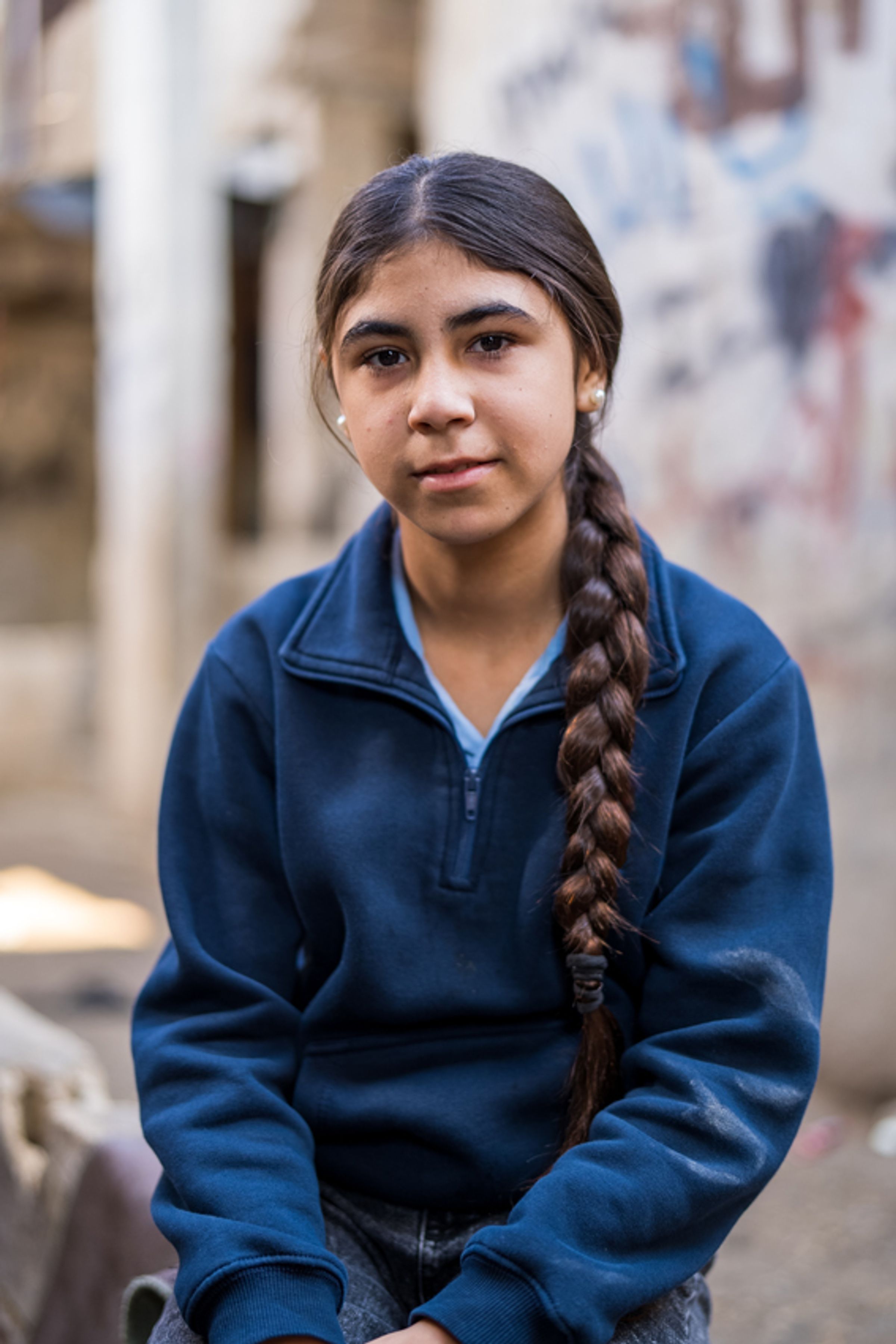
Our Partners work in Lebanon, and are responding to crises in Syria, Palestine and Ukraine.
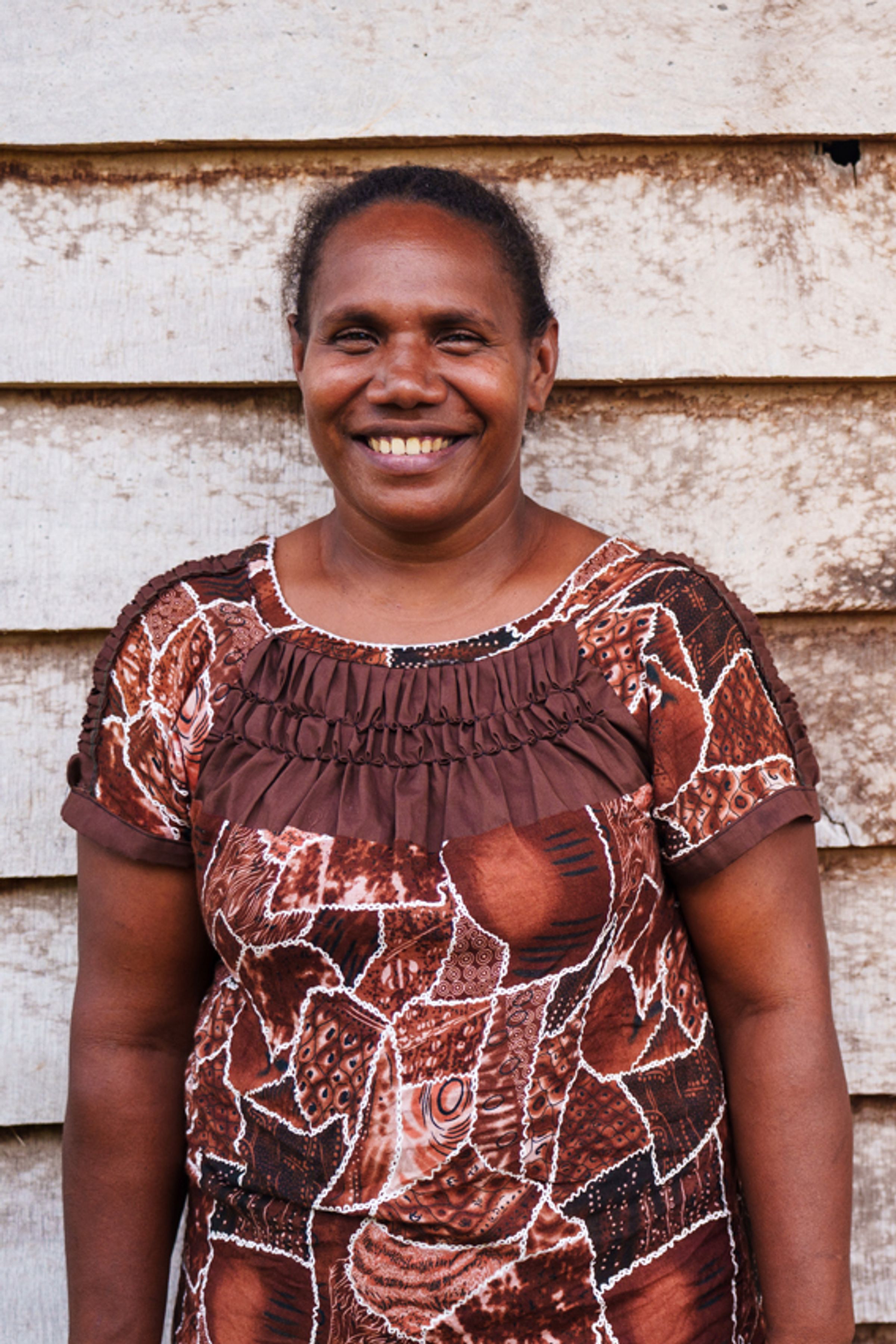
Our Partners work in the Solomon Islands and Papa New Guinea. Our advocacy work in Australia stands for the rights of those who are oppressed through collective action.
Frequently asked questions about Where We Work
Got questions? We’d love to help. If you can’t find the answer you’re looking for here, please contact our friendly team via email at hello@baptistworldaid.org.au
Baptist World Aid takes a thoughtful approach to choosing where we work, driven by our Christian values and locally led approach to community development.
We focus on countries where:
- There is a high level of multi-dimensional poverty
- We can form a strong partnership with local Christian Partners, or there is a strong relationship with the local Baptist community
- There is significant inequality or the deprivation of child rights
- There is vulnerability because of conflict, disasters or climate change
As a DFAT accredited organisation, we also focus on countries that are identified by the Australian Government as high priority in terms of humanitarian need.
We regularly review the countries we work in, so we can adapt to changing needs, emerging crises, or new opportunities. In the last few years, we’ve expanded into three new countries where we can make a meaningful impact.
We’re open to working in other countries in the future, but we take a careful and considered approach—focusing on where we can use donated resources well, rather than spreading ourselves too thin.
We believe lasting change happens when it’s led locally, so we work closely with Partners who are already embedded in their communities.
As a Christian organisation, we’re called to be salt and light in the world, and to stand with those facing injustice and poverty. We choose Christian Partners who share our values, mission, and approach to development, as this helps us work together more effectively and to create deeper, more sustainable impact.
We also recognise that poverty is multidimensional, including a spiritual dimension. Our Chistian Partners reflect the values of the gospel, demonstrating compassion, dignity, and hope in practical ways.
Our local Christian Partners focus on integrated community development, recognising that poverty is complex and requires a wholistic response. This means their projects address a wide range of issues, such as food security, income generation, access to clean water and sanitation, education, health, and community cohesion and leadership.
Projects aren’t designed in isolation, but developed in partnership with local communities, so they reflect local priorities while building on existing strengths and resources. This approach helps ensure the work is not only effective, but also sustainable because it’s owned by the community and not driven from the outside. Our Partners also often work with churches to run projects, helping them identify ways to better work alongside their local communities to see positive change.
Some partners also run programs specifically focused on children and young people. These are still integrated community development projects, but with the needs and voices of children and youth at the centre. They recognise that young people are shaped by their families and communities, so the work supports change at every level—creating better outcomes not just for children, but for the wider community as well.
We prioritise responding to disasters and humanitarian crises in places where communities don’t have the resources to recover on their own, or where governments have specifically requested international support.
In many cases, our response is guided by where we already have trusted local Christian partners who can act quickly and effectively on the ground.
There are also times when we’re not able to respond. This might be because we don’t have partners in that country, or because there are legal, safety, or access challenges that make it difficult to get support into affected areas.