What Is Poverty?
Poverty is more than a lack of money. It’s about not having access to the things you need to live well.
Poverty is one of the greatest challenges our world faces, but it doesn’t look the same in every community. Understanding what it is, why it happens, and how it affects people’s lives can help us respond in more helpful ways.
What Is Poverty?
Poverty is all about a lack of access to the things people need to live well.
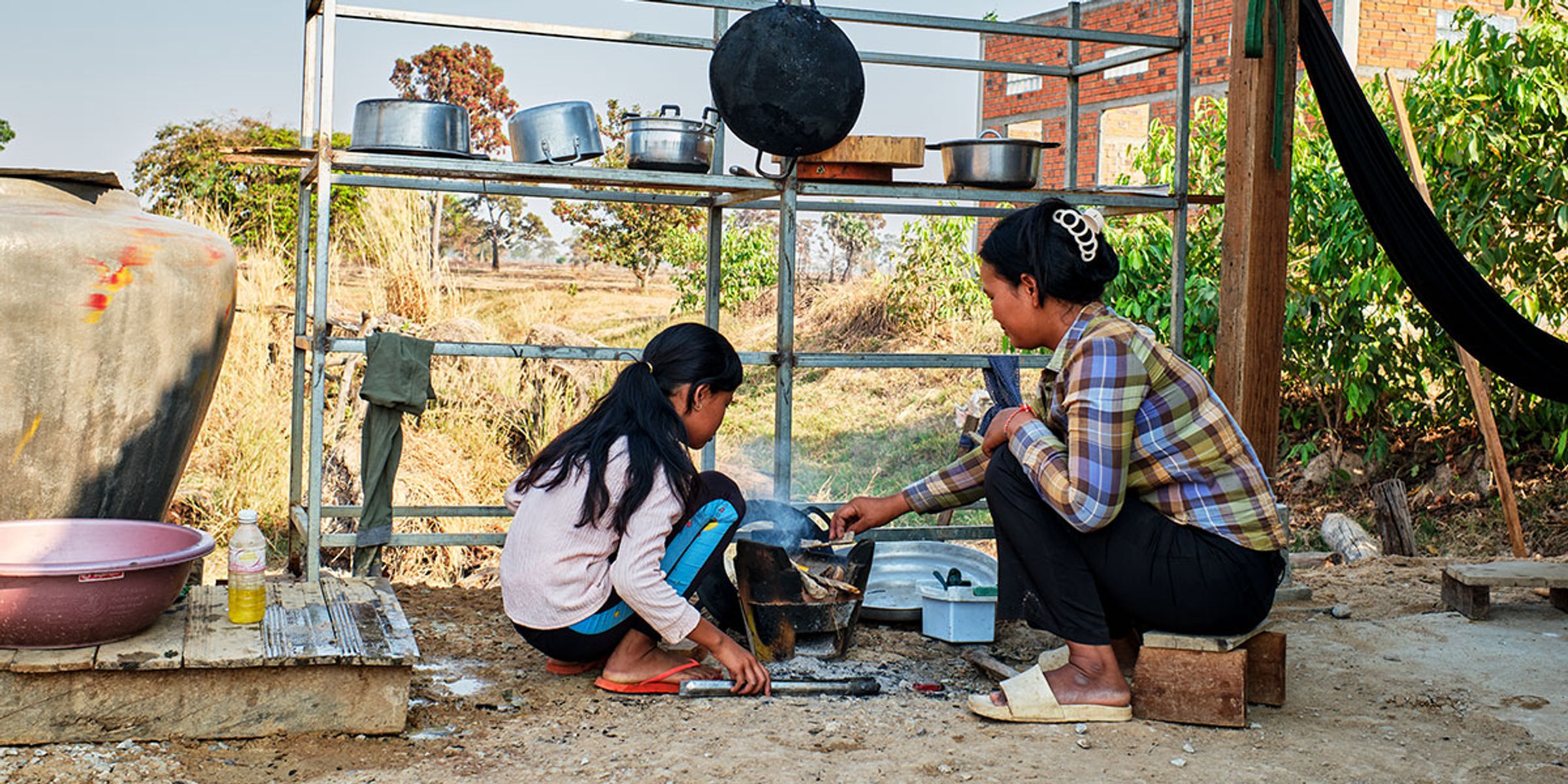
This can mean a lack of access to adequate food, safe drinking water, shelter, health care, education, or secure work. It can also mean a lack of opportunities or power to make choices about your own life. For example, a child may have access to a free school, but without enough money for food, uniforms, or transport, they may still be unable to attend. Another family may have enough land to grow food, but no access to a nearby health clinic. Poverty looks different in each context, but it always limits people’s choices.
This is why poverty cannot be understood through income alone. We also need to ask whether people can access essential services, recover when something goes wrong, or have a say in the decisions that affect them.
How Is Poverty Measured?
There are several different types of poverty, and it is measured in several ways, including extreme poverty, relative poverty, and multidimensional poverty. These measures help us understand the scale of poverty, and its impact on those who are affected.
- Extreme poverty means living below the international poverty line. In June 2025, the World Bank updated this line to $3 US per person per day, based on 2021 purchasing power parity terms (opens in a new tab) that take into consideration the cost of living and inflation in each country. This figure represents how much is needed to purchase the absolute minimum needed for survival—essentials such as food, shelter, and clothing. The World Bank estimates that about 811 million people live below this line. That’s roughly one in ten people worldwide.
- Relative poverty is when someone has much less than others in the society they are part of. They may be able to meet some basic needs but still be unable to participate fully in society, save for an emergency, or access the same opportunities as others.
- Multidimensional poverty looks beyond income to the other things people may not be able to access, including health care, education, safe housing, sanitation, and essential services. Two families may earn a similar amount but experience poverty very differently. Someone who is employed may have to use all their income just on food and rent, while a subsistence farmer earning the same amount can grow their own food, saving on expenses. However, the farmer’s income may be vulnerable to prolonged dry seasons or flooding, leaving them unable to provide enough to eat or sell in challenging times.
What Does Poverty Look Like In Different Settings?
In big cities, many people live in poverty even when employment opportunities and basic services are nearby. Housing can be insecure, rent can be unaffordable, and work can be poorly paid, irregular, or unsafe. A person may be mistreated at work but have little bargaining power, little knowledge of their rights, or few alternatives to earn an income. Many garment workers in Dhaka, the capital city of Bangladesh, struggle with poverty due to low pay and exploitative working conditions. Learn more about ethical fashion and garment workers’ rights by visiting our Ethical Fashion page.
In rural communities, people may have land for growing food, but geographic isolation and limited services can leave them vulnerable to poverty. Schools, health clinics, and markets can be a long way away, and poor roads can make these places difficult or expensive to reach. Farming families may also face drought, floods, changing seasons, pests, or declining soil health. In some places, land is divided between children from one generation to the next, leaving each family with less land to live from.
No two communities are the same. This is why it’s so important to listen to local people rather than assume we already know what they need.
Are Global Poverty Rates Falling?
Between 1990 and COVID-19, the number of people living in extreme poverty dropped dramatically. Economic progress, public investment into community development, and international efforts such as the United Nations Millennium Development Goals all played a part in lowering the rate of global poverty.
However, that progress has since slowed. The pandemic, conflict, rising debt, weak economic growth, and severe weather events have made it hard for families to move out of poverty—and easy for those already under pressure to fall back into it. Extreme poverty is also becoming more concentrated in low-income countries and places affected by conflict.
Why Does Poverty Persist?
Poverty is often caused and sustained by inequality—particularly unequal power. Around the world, resources and opportunities are not shared equally. People with the least amount of power can find it hardest to change their circumstances—especially if they also experience challenges such as discrimination, corruption, unfair working conditions, conflict, chronic illness, disasters and poor access to services.
These pressures often build on one another. A health emergency can use up a family’s savings. A failed harvest can take away both food and income, or lead to crushing debt. Conflict can force people to leave their homes, communities, and livelihoods. Even after the immediate crisis has passed, the effects can last for years and shape the opportunities available to the next generation.
As Christians, we understand this brokenness as sin, and is in conflict to the world God created. Responding to poverty means recognising the God-given dignity, knowledge and abilities of every person while challenging the injustice that limits their choices.
How Can I Help?
Baptist World Aid works with communities, giving local people the training, support, and resources they need to tackle the root causes of poverty.
Through our local Christian Partners, we help communities not only meet their immediate needs, but also implement solutions that create change for generations to come. This could mean improved access to clean water, better sanitation in villages, education for girls, more inclusive spaces for people with disabilities, and Self Help groups where people learn vocational skills together.
Give today (opens in a new tab) to be part of this work fighting poverty, or learn more about our development model here (opens in a new tab).
Your Next Read
 Ethical Fashion
What Can I Do About Poverty?
Ending poverty is a big goal, but not an impossible one if we work together.
 Development
Disability Shouldn’t Mean Exclusion
Meet the grandmother who refused to let exclusion win.
 Ethical Fashion
From Standouts to Strugglers: What the 2026 Ethical Fashion Guide Reveals
Every piece of clothing has a story beyond the label. Explore what the latest Ethical Fashion Guide reveals on over 500 brands.