Can We Prevent 'Natural' Disasters?
Can disasters be prevented? Are catastrophic consequences inevitable or is there something we can do? Kelsea Clingeleffer, International Programs Coordinator at Baptist World Aid, explains.
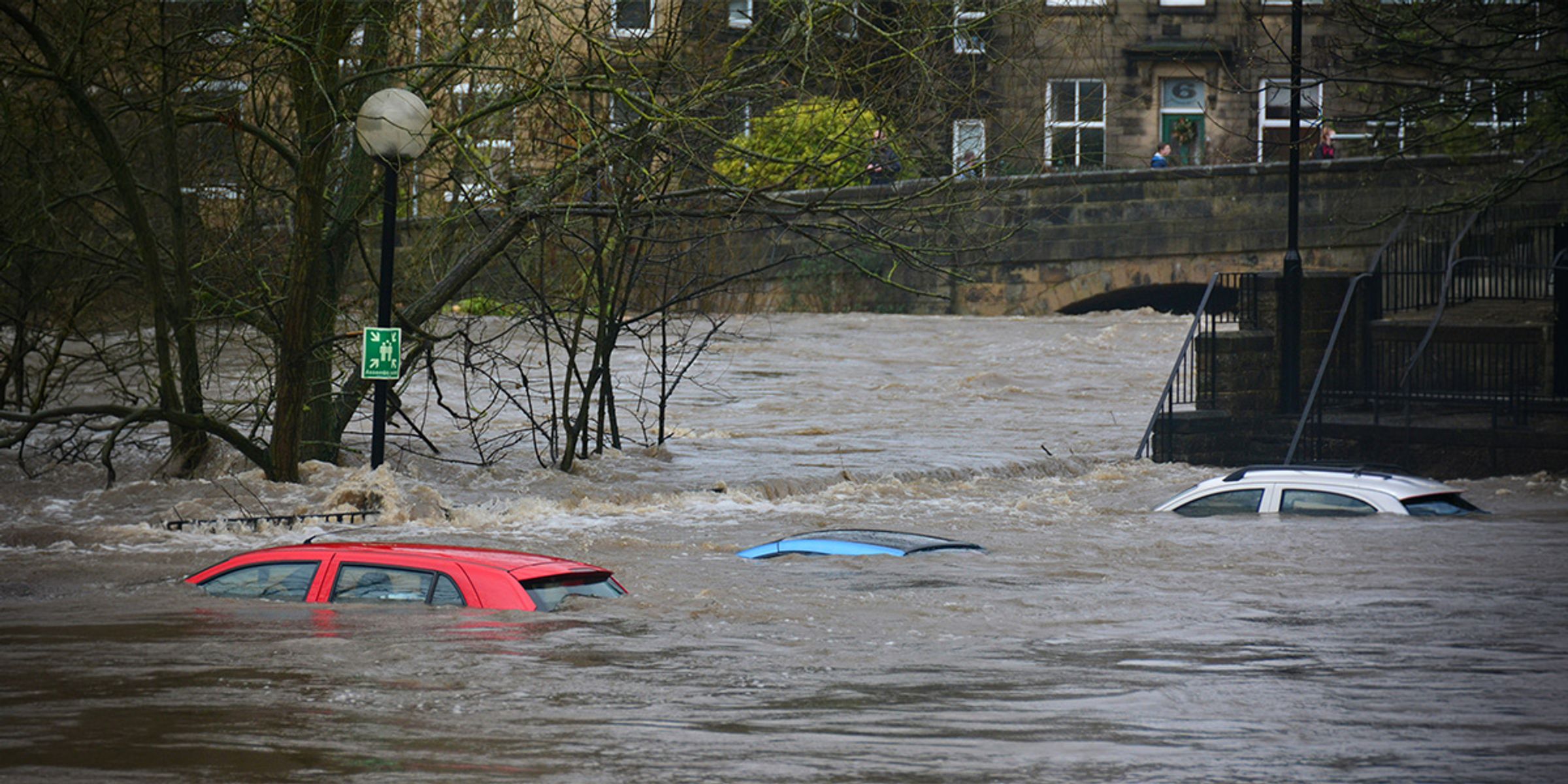
Whether it’s a powerful earthquake or devastating flood, disastrous events can leave us feeling helpless and asking some big questions: why disasters happen and what, if anything, can be done to prevent them?
Are so-called ‘natural disasters’ really natural? Or are they an inevitable part of the human experience living in a broken world?
This question is a complex one that sits alongside questions like ‘what’s the meaning of life’ and ‘why do bad things happen to ‘good’ people?’
Thinking about ‘preventing disasters’ conjures up the helpless image of trying to stop a tsunami with a broom—which may keep some water off your doorstep but is futile in the face of rushing waters.
A better question is, how do we reduce the impact of disasters, particularly on communities already vulnerable due to poverty?
Who is most vulnerable to disasters?
Disaster risk is assessed based on three components: hazards + exposure + vulnerability = disaster risk. If you change one component of the equation, the risk associated with the disaster is likely to change. It’s possible to get two similar hazards that have vastly different impacts, even in the same area.
- Hazard: the type, frequency, and size of the hazard—an earthquake versus a storm—determines the impact the event will have; for example, crushed buildings compared to flash flooding.
- Exposure: this relates to who (and what) is in the path of the hazard, and how protected they are. If a cyclone occurs in the middle of the ocean and doesn’t go near land, its impact will be less than a cyclone crossing over densely populated areas. Understanding the likely levels of exposure can help aid workers better gauge the potential impacts of a disaster.
- Vulnerability: people (and assets) who are most vulnerable are likely to be the most impacted by disasters. For example, safe zones and evacuation areas may not be suitably designed for those with a disability or accessible to the elderly, leaving these groups exposed. Also, those living in poverty are less likely to be able to pre-stock food and necessary items in preparation for a flood season, and the dwellings they live in might not provide adequate protection in the event of a disaster.
These three components determine the various impacts disasters can have on communities—and help aid workers better assess how they can help. A hazard by itself isn’t a disaster—it’s only a disaster once people and the built and natural environment they rely on are impacted. And the greater the vulnerability of those people, the greater the risk of catastrophic consequences.
Can We Prevent ‘Natural’ Disasters?
So, we return to the question—can we prevent disasters? Realistically, no. But can we reduce the impact disasters have on vulnerable communities? Yes. When we work together as a community—both leaders and citizens—to protect vulnerable communities from hazards, when we respond to our neighbour when they need us, and when we assist in recovery efforts to improve a community’s resilience for the future.
Baptist World Aid’s local Christian Partners help communities develop disaster risk reduction plans and run Disaster Response simulations to help communities be better prepared. When a disaster does occur, we respond by helping our Partners provide essentials such as food, clean water, and temporary shelter.
But the picture for a more disaster-resilient world is bigger than just us. Baptist World Aid is part of Australian and global alliances that amplify our efforts and increase our impact. Together, we can actively address the impact of environmental crises so that our global neighbours can be safe for generations to come. Together, we must invest in disaster risk reduction, so communities are prepared if disaster strikes. And together, we can change the view of disasters, and see a better world for all.
Would you like to partner with us for a more disaster-resilient world? Give now to our Disaster Action Fund and help communities respond before, during and after a disaster.
Your Next Read
 Ethical Fashion
When a Top Costs Less Than a Coffee: The Hidden Human Cost of Ultra-Fast Fashion
The global fashion industry has always been linked to low wages and unsafe conditions, but ultra-fast fashion takes this exploitation to a new level.
 News
NewsA Safer World For All
We’re proud to join with Micah and a coalition of Australian aid and development organisations to launch the Safer World For All Campaign.
 Ethical Fashion
How Can Fast Fashion Rank At The Top?
The answer is more complex than you think. Unpack how fast fashion brands are scored and why some rank higher than you expect.