What Is Famine?
Hunger is one of the most pressing global issues of our time, with emergency levels of food insecurity in Gaza and Sudan, and parts of South Sudan in famine. But what exactly is a famine? How is it declared, and what can we do about it? Here’s a quick guide.
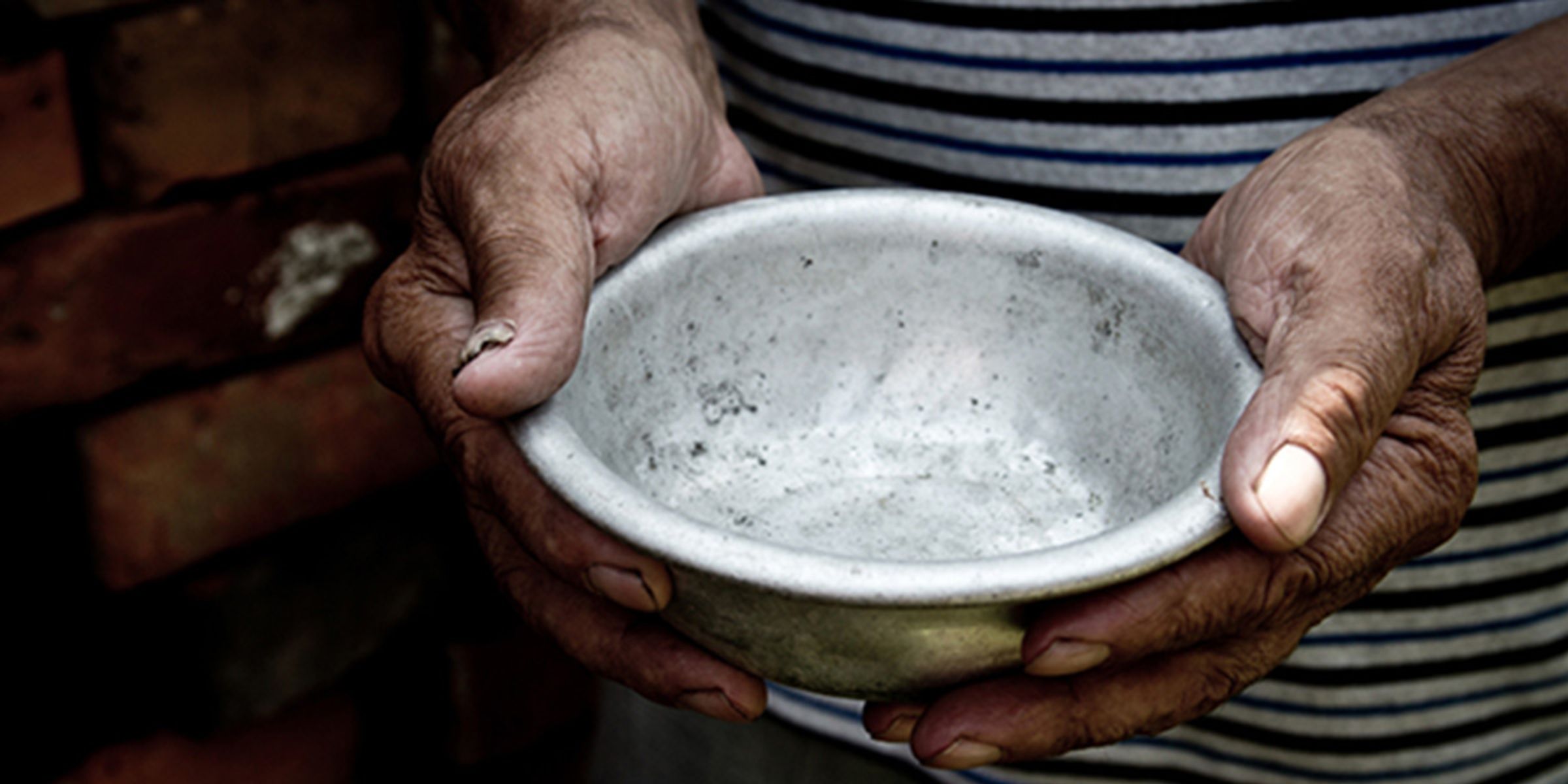
Parts of South Sudan are officially in famine, while Sudan and Gaza are at emergency levels of food insecurity as widespread conflict in both regions creates a catastrophic hunger crisis.
It’s alarming news, but what does it actually mean? And how is famine different from other terms we might come across in the news, like ‘food insecurity’? Here’s a quick explainer on how a famine is declared, why it’s happening in certain parts of the world, and what you can do about it.
What Is Famine?
Famine is when a population of people is extremely deprived of food, and experiences widespread malnutrition, destitution, and death from starvation. The Integrated Security Phase Classification (IPC) classifies a region in famine when:
- 20 per cent of households in the region face an extreme lack of food;
- 30 per cent of children suffer from acute malnutrition; and
- Two adults or four children for every 10,000 people are dying each day from starvation.
Famine is different from food insecurity, which is when families don’t have regular access to enough nutritious food to develop, grow, and be active and healthy. While people experience food insecurity at different levels, acute food insecurity is when lack of food—usually caused by a major shock such as a flood, economic collapse, or conflict—puts a person’s life or livelihood in immediate danger.
How Is A Famine Declared?
The United Nations initially developed the IPC in response to the 2004 famine in Somalia. Today, it’s a multi-partner system that analyses data from food-insecure regions, such as the average calorie intake, how accessible food is, coping strategies households rely on (e.g. skipping meals so children can eat), and malnutrition in children.
The data is then used to classify a population into one of five categories, ranging from phase one (no stress in accessing food) through to phase four (emergency levels of food insecurity).
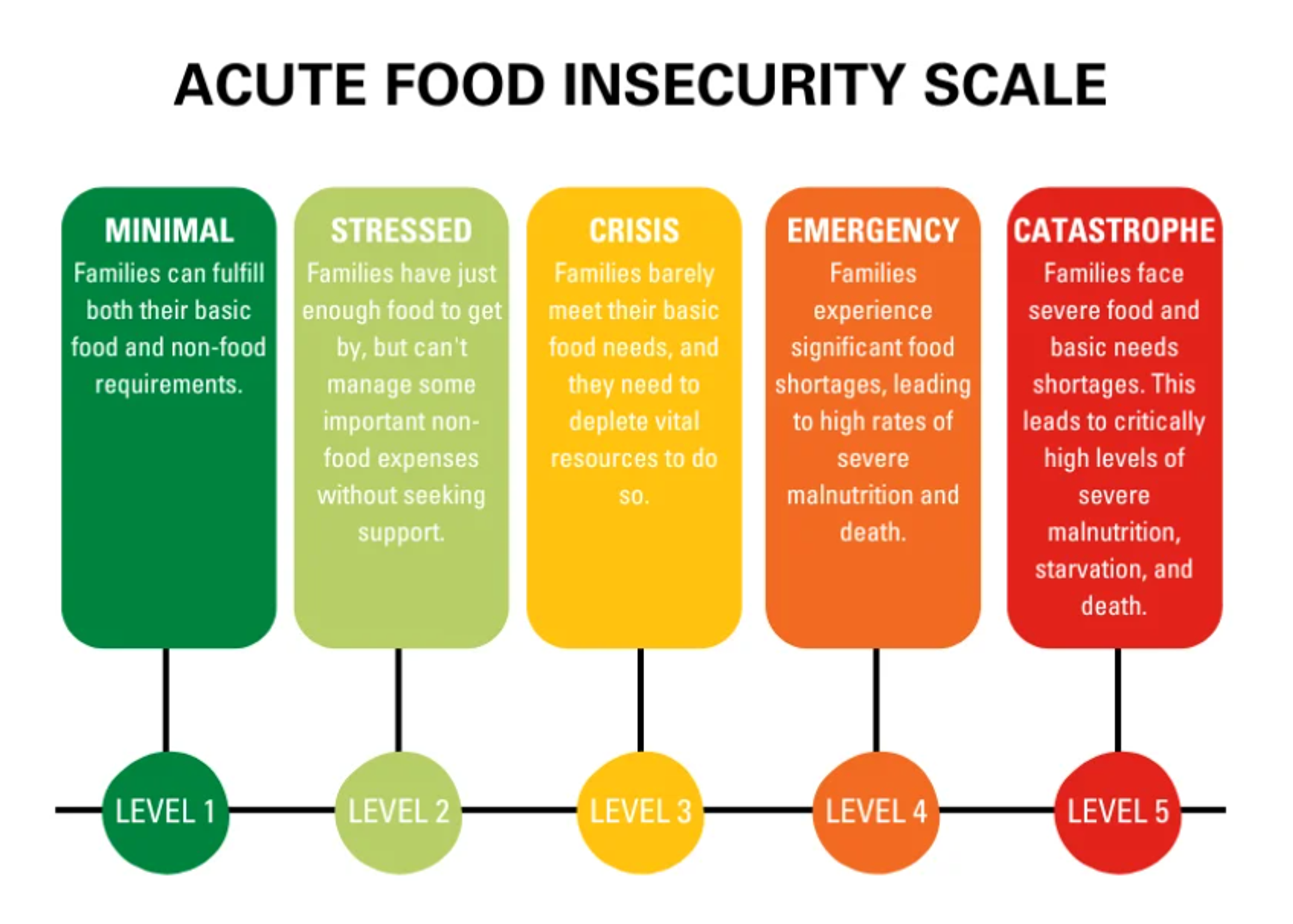
Phase five is famine, the worst-case scenario. When a population reaches this phase and meet the criteria of a famine, the government of the affected country and UN agencies are likely to declare a famine.
What Causes Famine?
Many of us think of drought when we hear the word ‘famine’, but lots of situations can cause catastrophic levels of food insecurity, such as a natural hazard, animal diseases, crop pests, or economic crisis.
One of the most common causes, though, is conflict. Large-scale violence displaces entire communities, making it hard to produce food. Conflict also destroys infrastructure, market centres and transport routes—things that are critical for food distribution in a community.
What Can We Do About Famine?
Identifying a famine shows where the most urgent needs are, so aid agencies and governments can make informed decisions about allocating resources.
But the goal isn’t to wait for a famine declaration before providing help; it’s to avoid famine altogether. By measuring food insecurity, the IPC sounds an alarm before a country hits crisis-point, so that the international community can act to prevent a worst-case scenario.
One region that is currently experiencing emergency levels of hunger is Sudan, where over 21 million people are struggling with acute food insecurity.
Through the Hunger Crisis Appeal, we’re helping families in Sudan access and produce nutritious food so people don’t die from starvation, and children can grow to be healthy and strong.
You can help families in Sudan survive food insecurity by giving to ourHunger Crisis Appeal. Your gift will help provide access to critically needed food as well as addressing other needs exacerbated by food insecurity.
Your Next Read
 Ethical Fashion
When a Top Costs Less Than a Coffee: The Hidden Human Cost of Ultra-Fast Fashion
The global fashion industry has always been linked to low wages and unsafe conditions, but ultra-fast fashion takes this exploitation to a new level.
 News
NewsA Safer World For All
We’re proud to join with Micah and a coalition of Australian aid and development organisations to launch the Safer World For All Campaign.
 Ethical Fashion
How Can Fast Fashion Rank At The Top?
The answer is more complex than you think. Unpack how fast fashion brands are scored and why some rank higher than you expect.