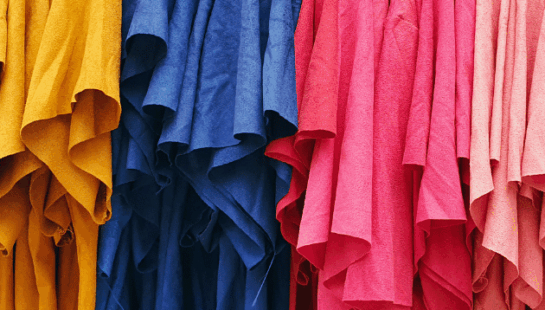
We all love a bargain; it’s hard to go past the $5 top that feels like a win. But the rise of ultra-fast fashion brands, producing thousands of new styles every week, comes with a serious environmental cost. Behind every haul is a complex web of pollution, waste, and carbon emissions that our planet is struggling to keep up with.
In the fourth episode of our debut podcast Behind the Barcode, we explored some of the key ways our fashion industry is impacting the planet.
Here’s five takeaway points, and what we can do to tell a different story.
Plastic In Disguise
Most of what we wear today isn’t cotton or linen or wool; it’s plastic. Polyester, to be exact. Over half of the world’s clothing is made from it, and brands like Shein use it in more than 80 per cent of their pieces.
What we call polyester is really just plastic spun into thread. It’s made by refining crude oil—the same stuff that fuels your car—and turning it into long chains of chemicals. It’s cheap, versatile, durable, and easy to mass produce.
But here’s the catch. Every time you wash a polyester garment, it releases thousands of tiny plastic fibres into the water. According to Ainsley Simpson, CEO of Seamless, who was interviewed for our podcast, Behind the Barcode, these microplastics slip through treatment plants, float out to sea, and eventually make their way back to us in our food chain.
‘Every single time we wash polyester garments, they release microscopic plastic fibres into our waterways which end up in the ocean and also into our food chain,’ said Ainsley.
Fashion’s Thirst Problem
The fashion industry is one of the largest consumers of water on earth. It can take 2,700 litres just to make one cotton shirt. And dyeing those fabrics? That’s the second-biggest polluter of clean water in the world. Rivers in some textile-producing countries run bright pink or blue from dye waste, and communities living nearby are the ones who pay the price.
It’s enough to make you look at your laundry basket a little differently.
The Carbon Footprint
Fashion also has a big carbon footprint. The industry pumps out up to 10 per cent of global carbon emissions, which is more than all international flights and shipping combined. And ultra-fast fashion brands make this worse by flying every little order straight from factories in China to your door.
Where Do Clothes Go?
When we’re done with our clothes, most don’t get a happy second life. Only about one per cent of garments are recycled into new ones. The rest end up burned or dumped, often overseas in places like Ghana or Chile, where mountains of discarded clothing stretch across the landscape.
The Human Cost
And it’s not just our planet that’s hurting. Many of the people making these clothes are already facing the harshest effects of climate change, heat, floods, unsafe conditions. In Bangladesh, factory workers are working longer hours in rising temperatures just to keep up with production targets.
It’s a sobering reminder that ‘cheap’ clothes come at a real cost, just not one we see on the tag.
A Slower Way Forward
The good news? Change doesn’t mean giving up fashion; it just means slowing it down a little. Buy what you love, wear it longer, and take care of it. Re-sell it, swap it, or give it new life instead of tossing it out.
Clothes should tell stories with many chapters, not end up in landfill after a few wears.
So next time you’re tempted by that $5 top or a one from that Black Friday sale, pause for a second. Ask yourself if it’s worth the impact-on-the-planet price tag. Because style fades, but impact sticks around.
This blog was adapted from Episode 4 of Baptist World Aid’s Behind the Barcode podcast. To find out more about ultra-fast fashion and its implications listen here!