What is Ethical Fashion?
Your quick guide to the basics of ethical fashion, and how to shop more thoughtfully.
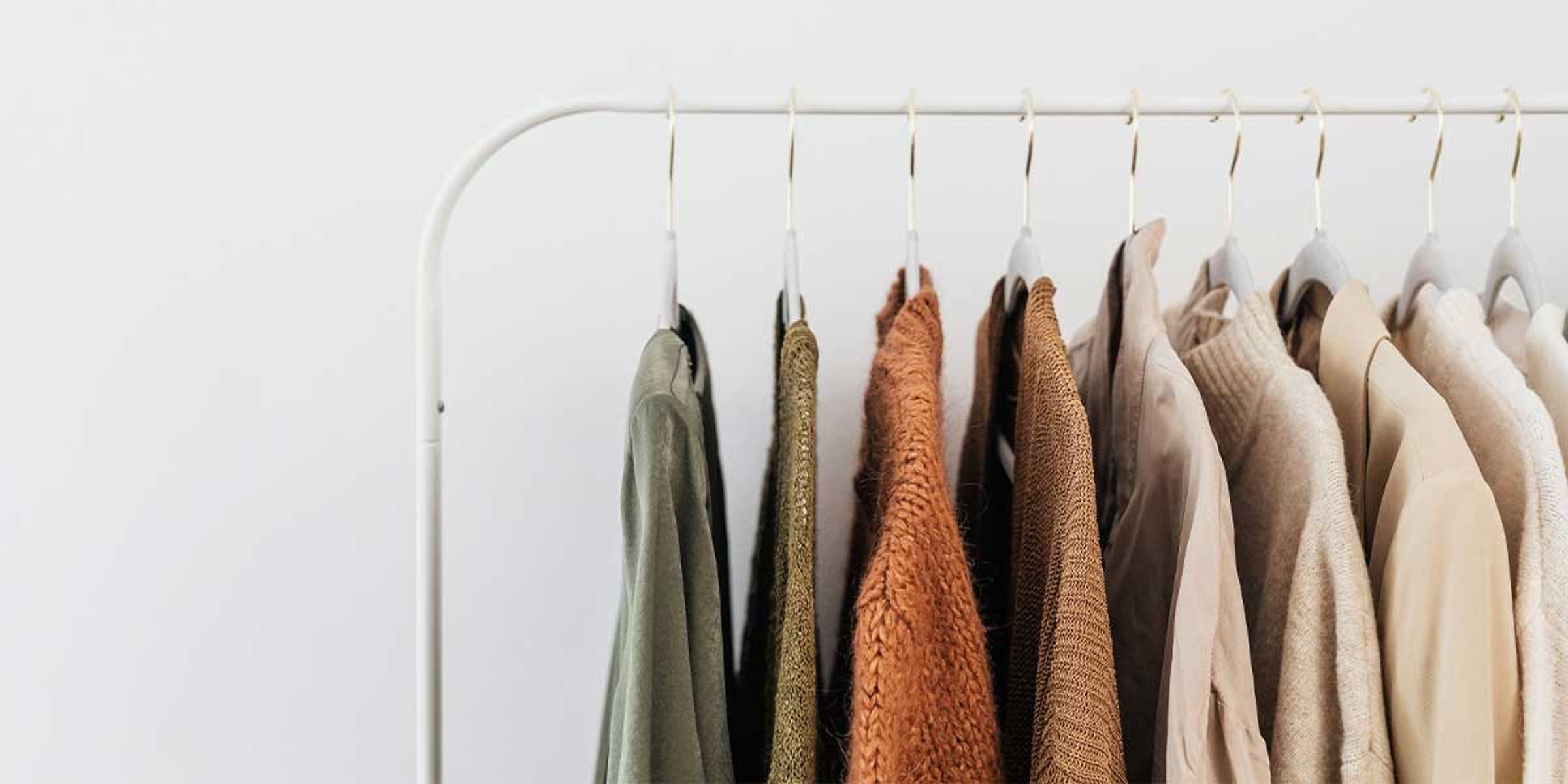
The term ‘ethical fashion’ is often used by clothing brands and social media influencers, but what does it truly mean? How can you tell whether a brand is ethical? And is ethical fashion the same as sustainable fashion? Here’s a quick guide.
What does ethical fashion mean?
Ethical fashion is an umbrella term for clothes and accessories designed and produced in ways that protect both workers and the environment.
Being part of a global market means that a shirt or pair of jeans typically passes through about 100 hands before you purchase it. There are workers at every stage of production—from processing raw materials like cotton, to dyeing fabrics, to sewing clothes and assembling shoes, bags and accessories in factories. Ethical fashion is about ensuring these workers aren’t exploited, but are afforded basic rights such as fair pay, leave entitlements, and a safe work environment.
Fashion also impacts the environment at every stage of production. Making clothes uses a significant amount of natural resources, pollutes waterways, releases carbon emissions into the atmosphere, and contributes to landfill when clothes are disposed of. Ethical fashion addresses the social responsibility that comes with this impact, considering what’s best for communities and their environment for generations to come, rather than producing clothes just for profit.
What’s the difference between sustainable and ethical fashion?
The words ‘sustainable’ and ‘ethical’ are sometimes used interchangeably, which can be confusing.
Broadly speaking, sustainable fashion looks at environmental issues, how materials are sourced, and the industry’s impact on the planet. It focuses on things like the fashion industry’s use of natural resources, non-biodegradable synthetic fabrics, carbon emissions, water pollution from manufacturing processes, and textile waste contributing to landfill.
Ethical fashion tends to focus on human rights (and in some cases, animal rights) within supply chains. It addresses issues such as paying a living wage, worker entitlements, modern slavery, and workplace safety.
Environmental concerns and human rights are closely related. Harming the environment affects people’s health, their livelihoods, and the resources they depend on. In Bangladesh, for example, toxic chemicals leached into riverways from garment factories directly harm families who rely on these same rivers to irrigate their land for food.
That’s why when we use the term ‘ethical fashion’ at Baptist World Aid, we include the industry’s impact on both people and the planet, so we can think holistically about how to create positive, long-lasting change.
How ethical is the fashion industry today?
The fashion industry is responsible for significant harm to workers and the environment—especially with the recent rise of overproduction and ultra-fast fashion.
Here’s some of the most recent figures:
- In the latest Ethical Fashion Report, only 12 per cent of companies were paying a living wage at final stage factories, which means millions of garment workers aren’t currently earning enough to meet their needs.
- Around 50 million people are trapped in modern slavery, many of them in clothing supply chains as textiles are among the highest-risk imports when it comes to forced labour.
- Each year, Australia’s clothing consumption contributes 14.5 million tonnes of carbon emissions, and we throw over 200,000 tonnes of clothes in landfill.
- It takes approximately 2,700 litres of water to produce one cotton T-shirt, as overproduction contributes to the depletion of freshwater resources.
- Girls and women are disproportionally exploited in garment factories around the world, with many working in hazardous environments without basic rights like sick leave or maternity leave.
What is an example of ethical fashion?
Ethical fashion is about progress, not perfection. At Baptist World Aid, our aim is to see fashion companies take steps towards improving their processes to better protect workers and the environment.
From our research, here are some of the things that show a company is taking steps towards being more ethical in their supply chain:
- Being transparent about their suppliers, where their clothes are made, and how workers are treated in their supply chain
- Adhering to policies that ensure responsible purchasing practices
- Paying a living wage to garment workers, and choosing to trade with suppliers who do the same
- Making sure their manufacturing processes reduce water wastage and use chemicals responsibly
- Choosing sustainable fibres rather than synthetic ones that are resource-intensive and non-biodegradable
- Making clothes that last and reducing the number of items that end up in landfill unnecessarily
You can use our Ethical Fashion Guide to see how different brands score.
How can I shop ethically?
In short, buy better, buy less, and expect more. You have power to influence change for the 300 million people around the world who work in the fashion supply chain. Here’s some tips to get you started.
Buy Better – before shopping, use our Ethical Fashion Guide to see how a brand scores in their efforts to treat workers fairly and care for the environment. If a brand isn’t included in our guide, do your own research to find out what actions they’re taking to protect people and the planet. Second-hand shopping is also a great way to shop without creating more resource-demand or waste.
Buy Less – every day we’re encouraged to consume—whether it’s a new top for an event, updating your wardrobe for the latest season, or taking advantage of the latest online sale. Consider whether you need an item before you buy it. Can you reuse or repair what you have, borrow from a friend, or repurpose something you already own?
Expect more – your voice matters! Use our Speak out to Brands tool to encourage brands that are tracking well and ask brands that are lagging behind to do better. Let your MP know you want to see Australia be a global leader in fighting modern slavery, protecting human rights, and enforcing environmental protection laws. Share our Ethical Fashion Guide on social media, or have conversations about ethical fashion with your friends, co-workers, school and community.
Your Next Read
 Ethical Fashion
When a Top Costs Less Than a Coffee: The Hidden Human Cost of Ultra-Fast Fashion
The global fashion industry has always been linked to low wages and unsafe conditions, but ultra-fast fashion takes this exploitation to a new level.
 News
NewsA Safer World For All
We’re proud to join with Micah and a coalition of Australian aid and development organisations to launch the Safer World For All Campaign.
 Ethical Fashion
How Can Fast Fashion Rank At The Top?
The answer is more complex than you think. Unpack how fast fashion brands are scored and why some rank higher than you expect.