
It’s a Christmas activity that’s familiar to many of us: shop for toys, clothes and toiletries, pack a box full of items, then send it overseas to someone in need.
Giving gifts to someone you don’t know is a wonderful act of generosity, and it’s understandable to want tangible ways to express God’s love for others.
But like most community development activities, the reality is far more complex than the straightforward act of giving gifts. Sending items to people in poverty may be done out of genuine love, but the problem is that this doesn’t provide families with what they really need to thrive.
At Baptist World Aid, we’ve made a conscious decision to focus on working with people to develop long-term solutions to poverty, rather than giving presents. Here are four reasons we don’t send gifts, and some more effective ways you can help people fight poverty.
Children Love Locally Made Toys
The toys that children cherish the most are ones created in their own community—locally sourced balls, games and dolls made by people who understand how the children in their community play and interact with each other. Pictured below is Grace, a staff member with our local Partner in Uganda, sewing a dress for a doll made of grasses and natural materials. This toy will be given to a preschool child.
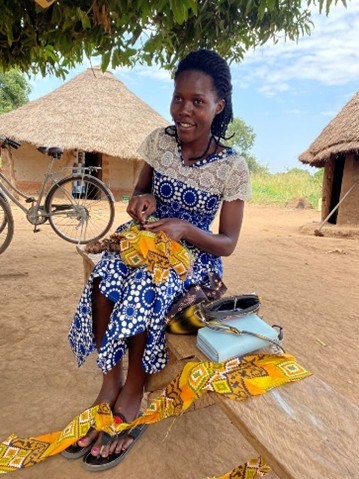
Children in our Partner’s Child Clubs in Uganda also learn how to make their own toys from clay and how to weave sitting mats from grass, giving them skills, a fun activity, and a useful item they’ll enjoy. It’s a win on many fronts!
Sending toys from overseas, such as plastic trinkets or toys that children are unfamiliar with, may not work in the child’s environment. The same goes for other items: for example, sending socks to children who live in countries where children don’t wear them, or school supplies that don’t work within the children’s learning environment.
We Want To Support The Local Economy
In the areas where our Partners serve, small businesses are a vital part of the local economy. Along with providing goods and services for the community, they give people a way to provide for their families and keep up with the costs of education, healthcare and housing.
In Lebanon, our Partner’s sewing atelier teaches vulnerable people tailoring skills so they can make clothes for their family, and also start their own businesses. Participants in the sewing workshop have made emergency supplies for displaced people such as blankets, and even octopus toys to go into the crib with premature babies!
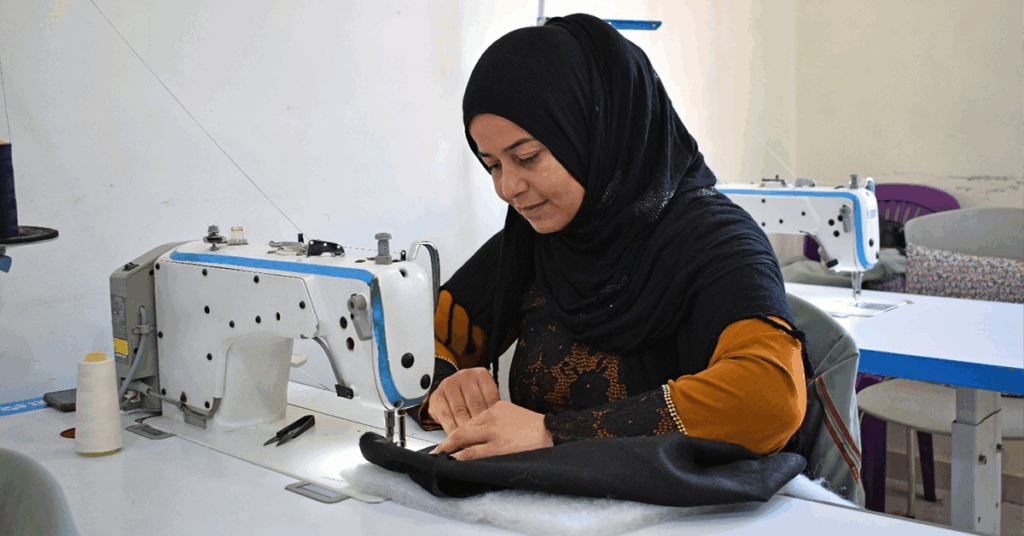
Sending people items such as toothbrushes, toys and clothing runs the risk of taking away business from local vendors and small business owners. A better gift is to give people the opportunity to learn skills or start their own business, so they can earn a livelihood and buy these items for themselves.
We Do Things With People, Not For Them
The most effective solutions to poverty and injustice come from community members themselves, as they’re in the best position to understand the needs.
In a northern village in Cambodia, for example, residents wanted to build a stable bridge so children could go to school safely during the rainy season. Our local Christian Partner helped coordinate resources for the project, and community volunteers organised for each household to contribute one person to build the bridge. ‘The impact is big for our village!’ one community member said.

Community development works best when organisations work with people to develop a solution to the unique problems they face.
When people are active participants in fighting poverty, they have agency over improving their situation. For parents this is especially powerful, as there’s dignity in being able to provide things for your own children. Families are more likely to develop sustainable solutions that last, and be able to sustain themselves when external support is no longer available.
This is quite different to a welfare approach that favours doing things for people, rather than with them. Sending a one-off gift overseas may feel good to us as the sender, but it doesn’t give people the opportunity to be an active part of creating change for themselves and their communities. Non-tangible gifts like education or agriculture training are more effective at building a better future for generations to come.
Communities Want To Care For Their Environment
A clean environment is vital to a thriving and healthy community. Rita and John’s village in the Solomon Islands used to be overgrown and littered with rubbish. There weren’t clean water taps, toilets or showers, and people were often sick with malaria. Our Partner worked with the community to install pipes for water access, build showers and toilets, and clear the rubbish which also prevented mosquitoes from breeding. ‘There has been no malaria or diarrhea in the village for a long time,’ Rita said.
One of the problems with gifts, especially breakable toys and plastic trinkets, is they often end up as litter that doesn’t break down for a long time. This can be a significant problem in communities that don’t have services or infrastructure in place to deal with rubbish. A better option is to support programs that help people keep their environment clean, so families can thrive.
Give Better This Year—Give A Better World Gift
Shifting our mindset from giving presents to working alongside communities as they come up with their own solutions can be difficult, but it’s well worth the effort.
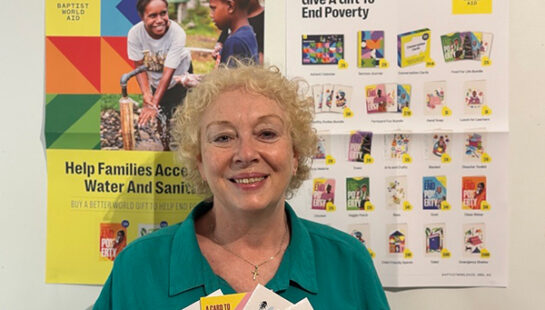
Would you like to give meaningful gifts that last to communities in need? Consider Better World Gifts! These are cards that give people exactly what they need to fight poverty and injustice in their community. They’re also lots of fun for the family, and kids love to be part of choosing which card to give.
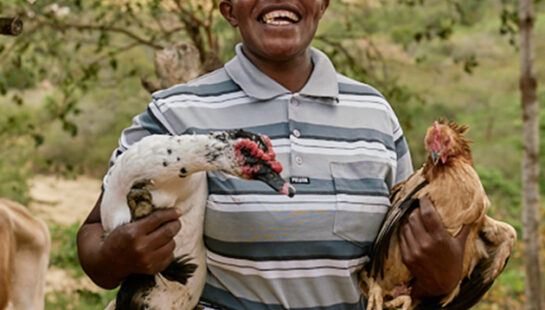
Whether it’s safe births for mothers, veggie patches for families, safe spaces for children to play or livelihood support through goats and chickens, Better World Gifts are a wonderful way to help people create solutions to poverty that last.
You can shop our entire range here.

 Amelia Ceroni,
