Your Brain on Black Friday
The science behind why we love a sale, especially during Black Friday and Cyber Monday.
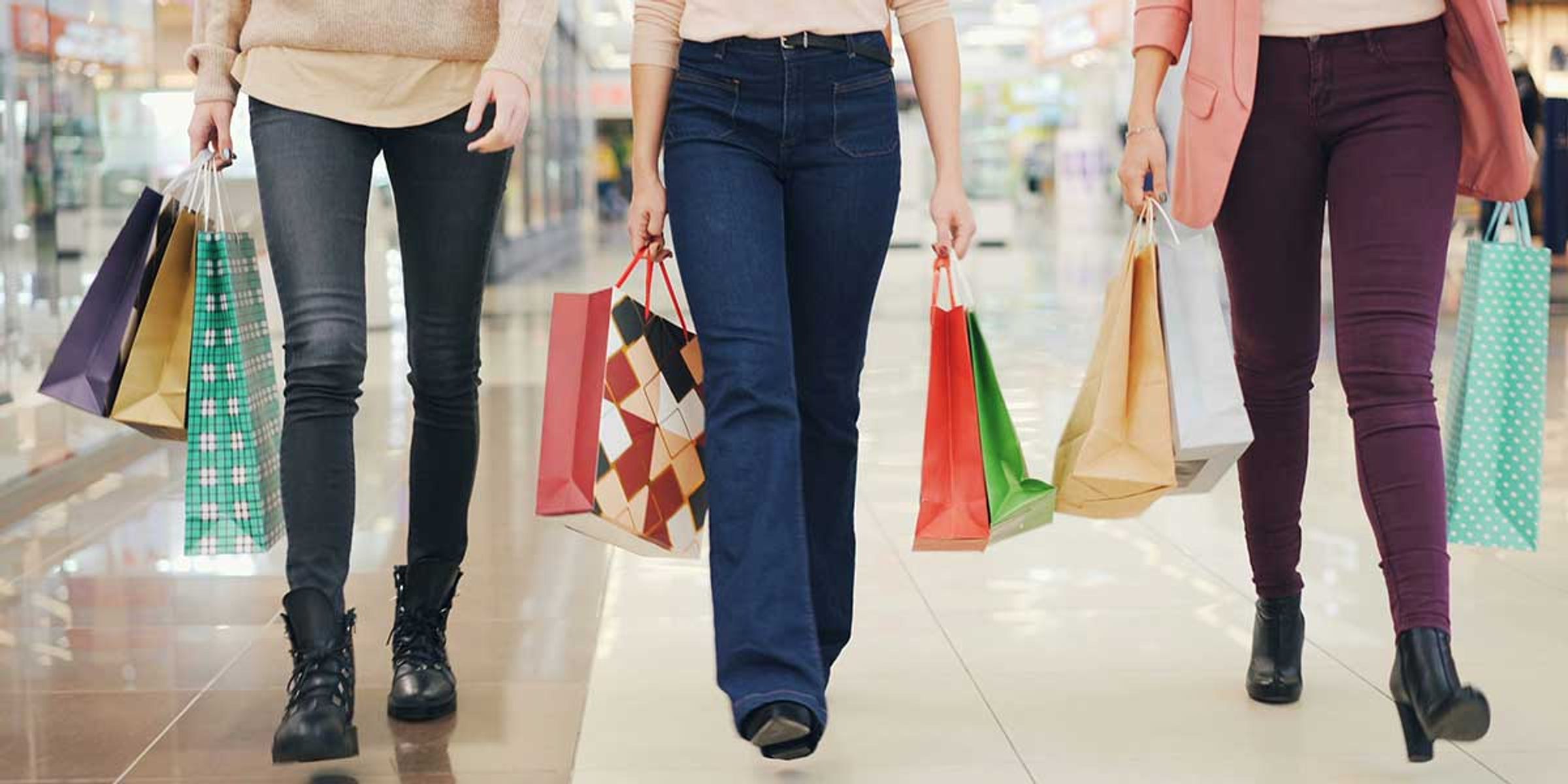
Black Friday is coming up, and you think it’s probably a good time to replace that one dependable pair of jeans. But as you weigh up options for a new pair, you find you’ve also landed on a few mailing lists—and the notifications keep rolling in—along with targeted ads from these same brands.
Then cyber-sales kick off as you’re scrolling on the commute home. You see a reminder for those jeans you’ve been mulling on, along with suggestions from a brand you recently followed. Suddenly you find yourself clicking to confirm purchase on a bunch of things you hadn’t bargained on.
Happiness is a New Pair of Pants… or is it?
Try not to be too hard on yourself if you’ve ever found yourself in this position. Decades of research into consumer psychology has shown there are a huge number of unconscious factors that affect how we shop.
There’s a reason we take comfort in retail therapy. Studies suggest that shopping can reduce sadness and give us a sense of control. MRI scans of consumers have revealed that even simply contemplating a purchase can release dopamine. We also tend to get an even bigger dose of dopamine when our purchases lead to a reward. No wonder sales excite us!
On the other hand, considering the cost of a product activates the pain response in our brain, which juggles between pain and reward pathways with every purchase. Our judgements are easily swayed as we tend to idealise the potential benefit of a purchase before we take conscious action.
The Marketing Trap
Today’s market researchers have a sophisticated understanding of how to capitalise on our unconscious tendencies through advertising. By applying techniques commonly used in neuroscience companies can reliably predict and influence our purchasing behaviour.
Brands can use tools like MRIs to measure the way advertisements affect brain activation, heart rate or eye movement in consumers, using these metrics as an indication of whether their products excite us or grab our attention. This information can be used to sharpen the appeal of everything from product styles to store layout. Modern smartphones can even capture and adapt to some of this feedback in real time.
This makes the prospect of thoughtful consumption especially fraught, as online shopping has become the norm and an enormous array of products are only a click away.
Studies have shown that as little as thirty seconds of social media exposure can leave us in a state of cognitive overload. Aided by algorithms, brands can now ensure we are presented with curated selections of products as we scroll, where certain items appear obviously attractive next to a bunch of duds. Researchers call this the decoy effect, something we’re more susceptible to after a few minutes scrolling social media.
What Does the Future of Fashion Look Like?
Don’t get me wrong, shopping online is incredibly convenient! But it’s important to understand that our innate desire for a dopamine-rush will often override our ability to consider the long-term impact of our purchases during a Black Friday sales rush.
And there are real impacts.
With the recent growth of ultra-fast-fashion, the fashion industry now creates 92 million tonnes of global textile waste per year. As our latest Ethical Fashion Report highlights, while fashion companies have been increasing their production in response to consumer demand, 97 per cent of companies still aren’t paying a living wage at any facility in their supply chain.
Shop More Mindfully?
These figures might seem alarming—and they should! Excess production and disposal of textiles is putting enormous strain on ecosystems and the lives of garment workers. But don’t let stats or sophisticated marketing tactics discourage you.
Here are a few suggestions to help you minimise your footprint and shop with more intention:
1. Stop, Think, Reflect
Before you throw yourself into researching a new shirt to grab during a flash sale, reflect on what you already have.
Fashion comes in cycles. After taking stock of what you already own, you might be surprised to find after taking stock that you already own a few great pieces some great pieces to style in new way
And even if you don’t have the right thing on hand, someone else might! Hosting a clothing swap is a great way to connect with friends and give your clothes a new lease on life.
It’s also always worth stepping away from a purchase decision once you’ve spent some time weighing it up. A good night’s sleep can be the difference between a hasty decision you might regret, and feeling satisfied that you’ve made a considered call.
2. Limit your exposure
Most brands will automatically add you to a mailing list any time you fill out a form. Another practical way to limit unnecessary purchases is to limit the messages that prompt them by unsubscribing from marketing emails and turning off notifications for apps that deliver product reminders.
Social media may be a little more difficult to avoid altogether, but if you’re looking to mitigate its impact on your life during a sales period, you can always try introducing device-use limits on specific apps or websites.
3. Let your Values Lead
Of course, we all need some fresh clothes sometimes. If you do, try searching local second-hand retailers first. That way you won’t be contributing to waste or excess demand, and you’ll probably save money in the process.
If you do end up buying new, it’s worth considering where you buy it from. Investing in companies that are stewarding resources responsibly will help to ensure that your purchases aren’t negatively impacting people or the planet. Our newest Ethical Fashion Guide provides an easy way to look up which brands are doing their part to minimise environmental harm and support the dignity of their workers.
A Model for Change
The more we understand our unconscious shopping behaviours, the better equipped we will be to navigate the digital spaces that reinforce them. And if we can step back from these environments, we might be able to free up the mental resources to develop a new relationship with consumption—one that doesn’t rely on constant demand.
By acting thoughtfully, we can play a key part in reducing the impact of over-production and consumption on the planet and those around us.
This article was first written by guest author, Glyndwr Rhys Stamnas during his time as a volunteer in the Advocacy Team. It was updated in November, 2026.
Your Next Read
 Ethical Fashion
What Do Sustainability Certifications Actually Mean in Fashion?
Understanding sustainability certifications is a useful first step towards making more informed choices about what you purchase.
 Faith & Inspiration
Good News of Great Joy
Christmas is a season filled with both celebration and challenge. Explore how the good news of Jesus brings hope, joy and peace for all people.
 Ethical Fashion
What Is Poverty?
Poverty is more than a lack of money. It’s about not having access to the things you need to live well.