Blog
All Posts & Articles

Ethical Fashion
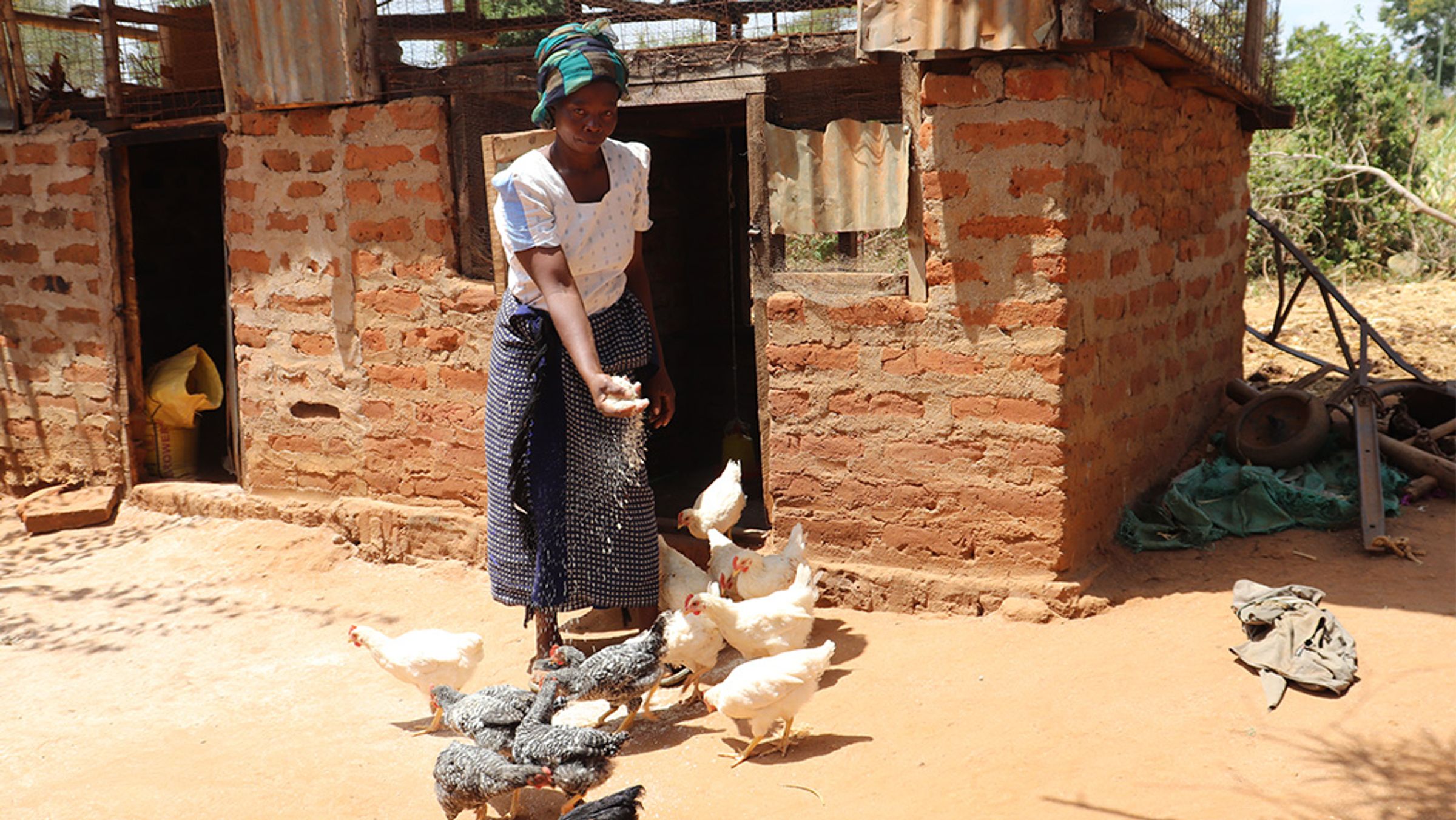
When a Top Costs Less Than a Coffee: The Hidden Human Cost of Ultra-Fast Fashion
The global fashion industry has always been linked to low wages and unsafe conditions, but ultra-fast fashion takes this exploitation to a new level.
Ethical Fashion
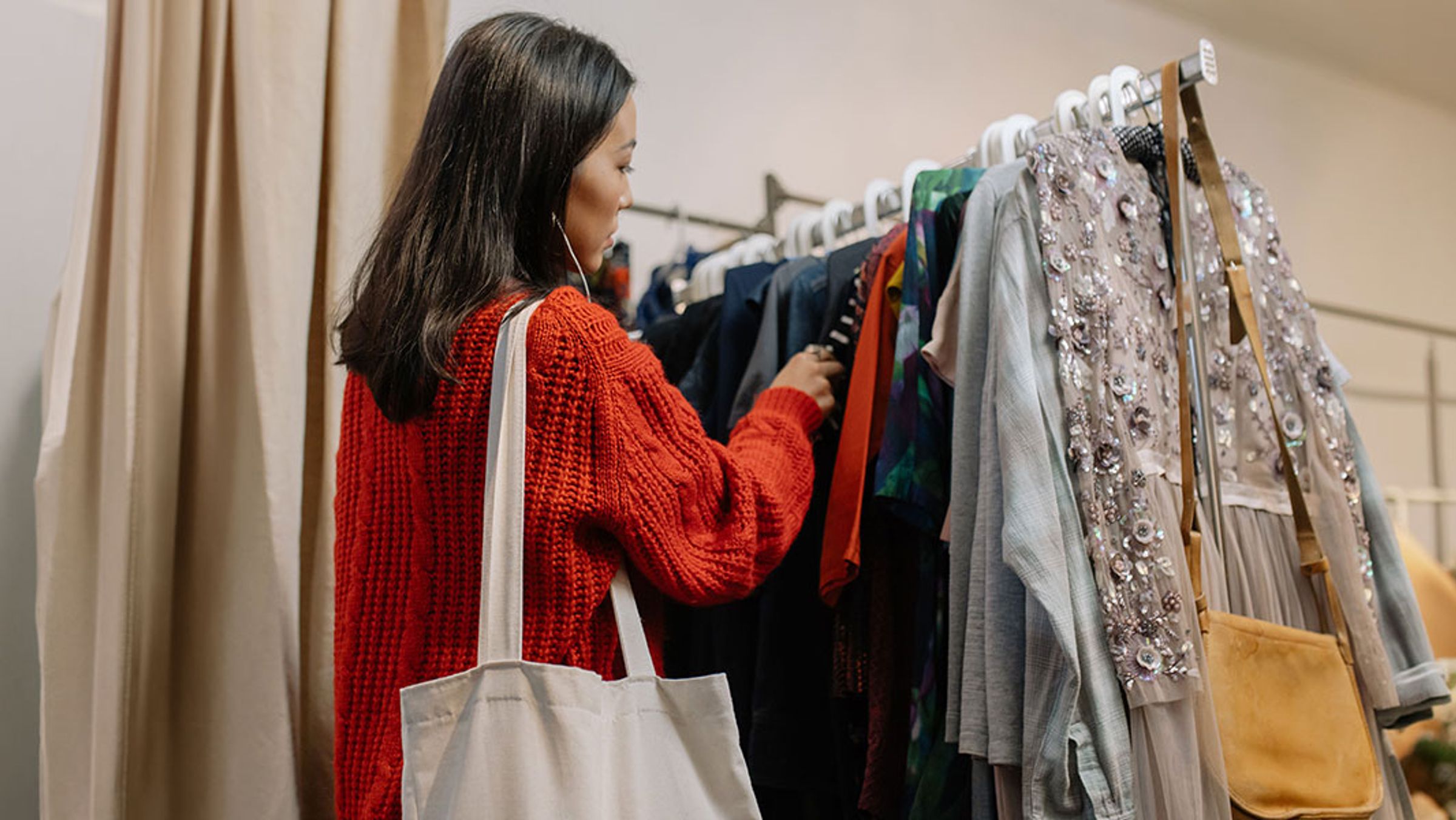
Ultra-Fast Fashion 101: Here’s What You Need To Know
Ultra-fast fashion. It feels fun, fast, and harmless but what exactly is ultra-fast fashion, and what are its implications?

News
1.9 million people in Myanmar are without homes. Here’s why.
From political unrest to disasters, multiple crises have left one-third of Myanmar’s population in need of humanitarian aid. Here’s a quick guide to what’s happening.
News
A Safer World For All
We’re proud to join with Micah and a coalition of Australian aid and development organisations to launch the Safer World For All Campaign.

Ethical Fashion
Why We Don’t Send Toys And Toothbrushes To Communities In Need
Is sending boxes of gifts the best way to help people in poverty? Here’s four reasons why we don’t send presents, and what our Partners do instead.
Faith & Inspiration
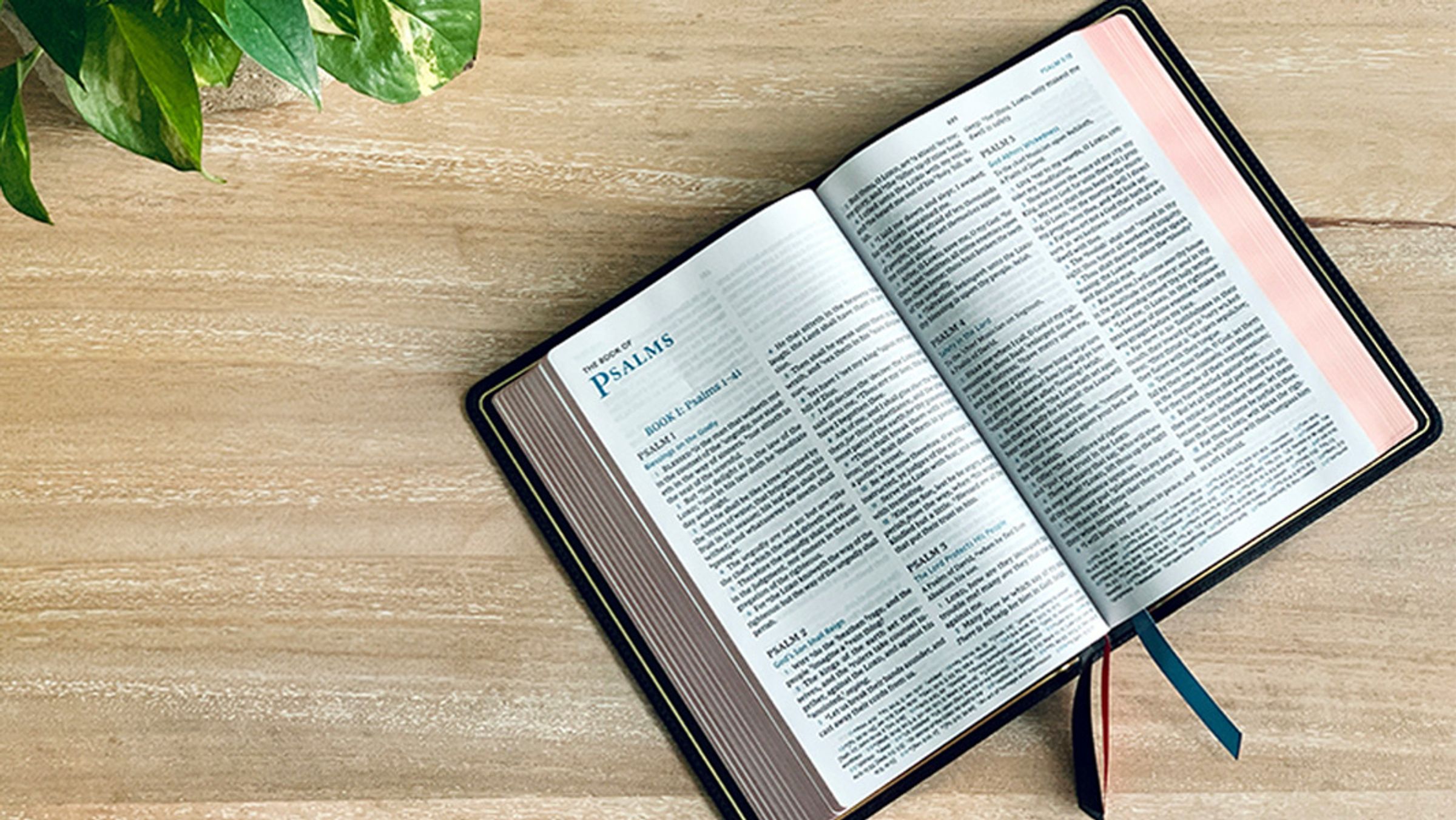
What Does The Bible Say About Helping 'The Poor'?
The Bible suggests that God has particular concern for the ‘widow and orphan’, ‘the alien’ and ‘the poor’. So, what does the Bible teach us about God's heart for people living in poverty today? And how should we respond?
Ethical Fashion
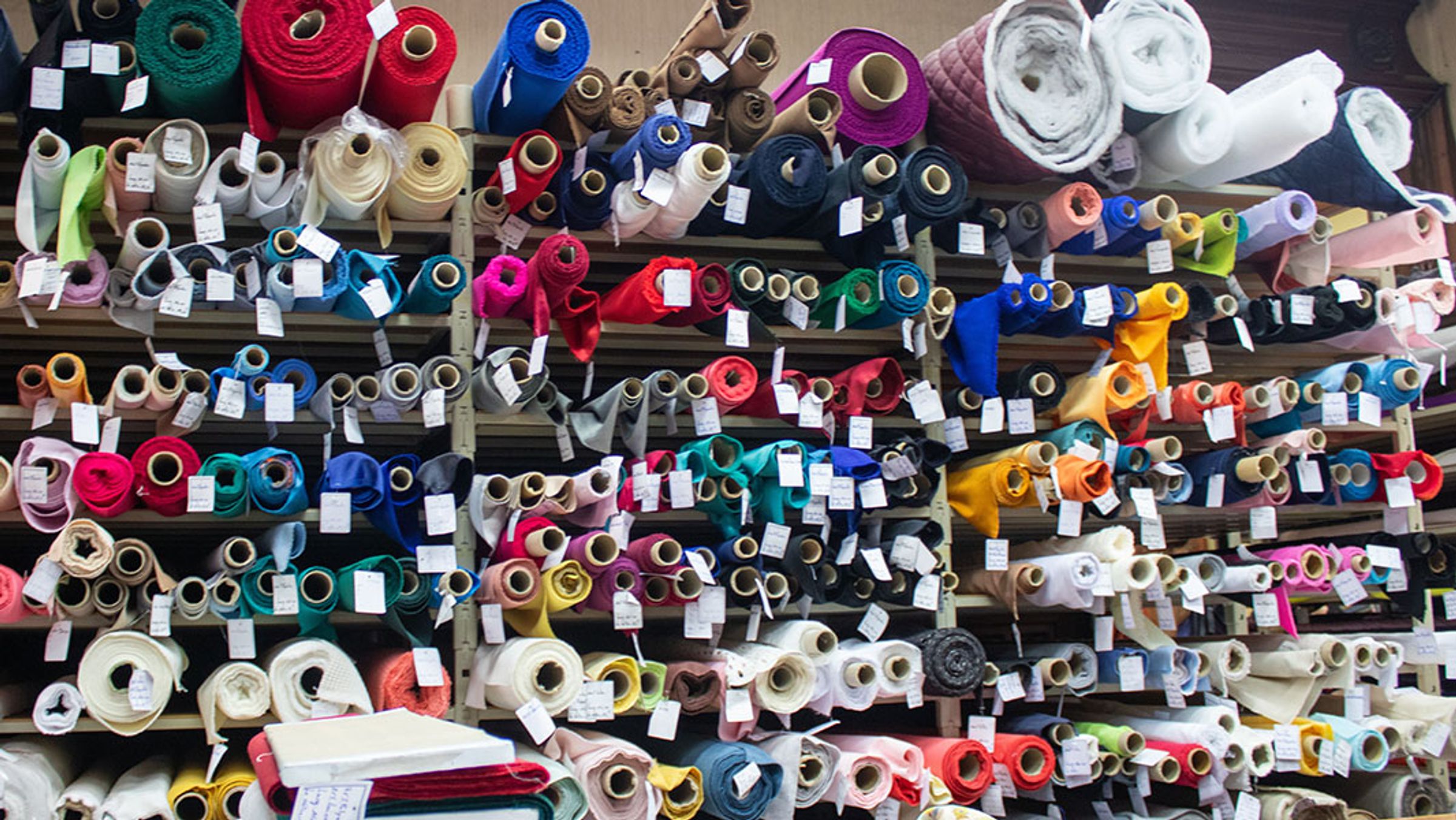
Is It Ethical To Buy Fast Fashion?
Fast fashion brands are evil, right? Well, it’s not quite that simple. Here’s how fast fashion brands can rank at the top of the group in the Ethical Fashion Guide.

Ethical Fashion
Ethical Gift Ideas For Christmas
Want to give ethical and sustainable gifts this Christmas? We’ve got you covered.
Development
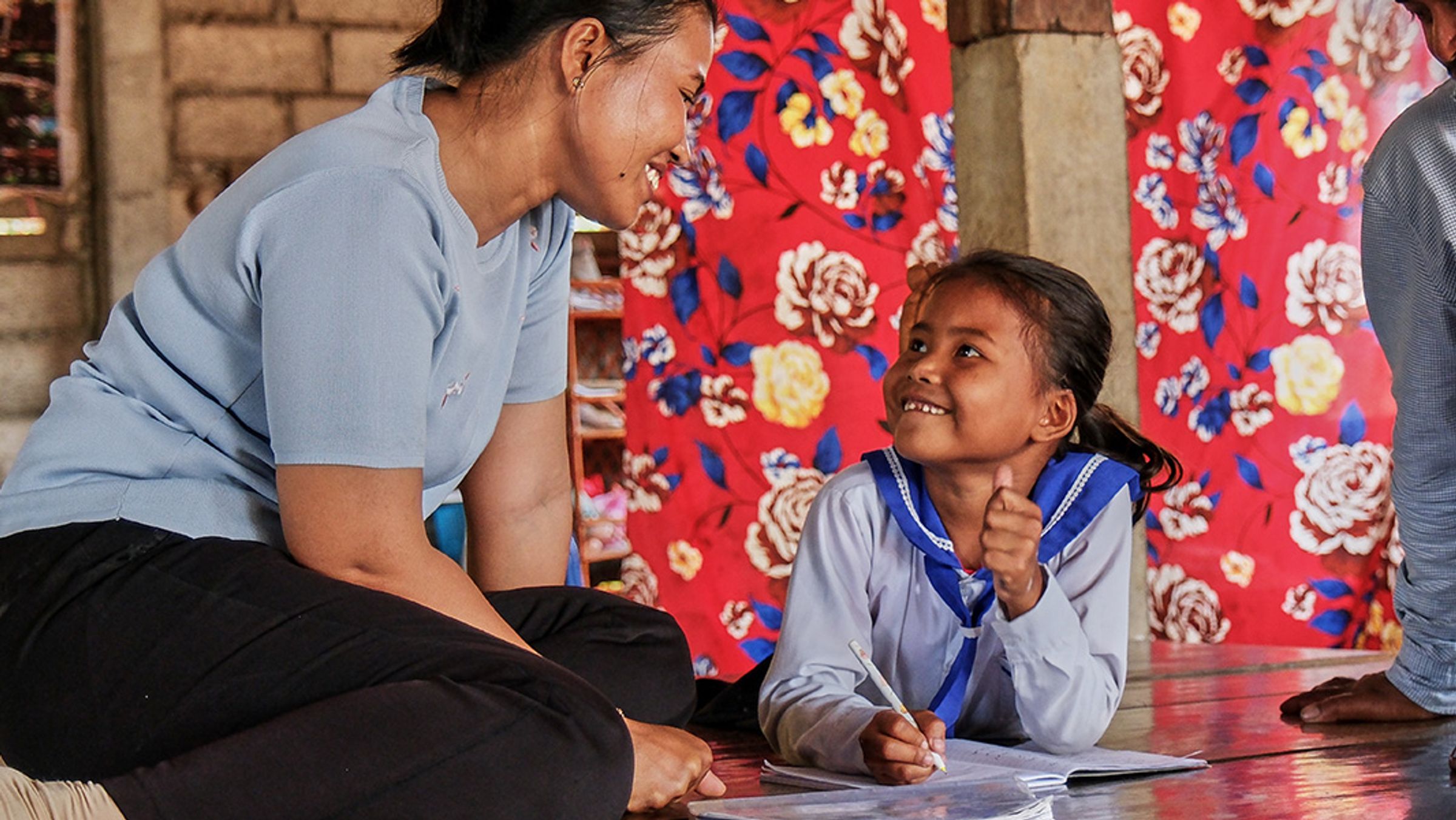
Four Child Sponsorship Myths Debunked
What does it really mean to be a Child Sponsor? Our team exposes four surprising truths about Baptist World Aid's Child Sponsorship model.
Ethical Fashion
When a Top Costs Less Than a Coffee: The Hidden Human Cost of Ultra-Fast Fashion
The global fashion industry has always been linked to low wages and unsafe conditions, but ultra-fast fashion takes this exploitation to a new level.
News
A Safer World For All
Ethical Fashion
Is It Ethical To Buy Fast Fashion?
Ethical Fashion
Ultra-Fast Fashion 101: Here’s What You Need To Know
Ultra-fast fashion. It feels fun, fast, and harmless but what exactly is ultra-fast fashion, and what are its implications?
Ethical Fashion
Why We Don’t Send Toys And Toothbrushes To Communities In Need
Ethical Fashion
Ethical Gift Ideas For Christmas
News
1.9 million people in Myanmar are without homes. Here’s why.
From political unrest to disasters, multiple crises have left one-third of Myanmar’s population in need of humanitarian aid. Here’s a quick guide to what’s happening.
Faith & Inspiration
What Does The Bible Say About Helping 'The Poor'?
Development